
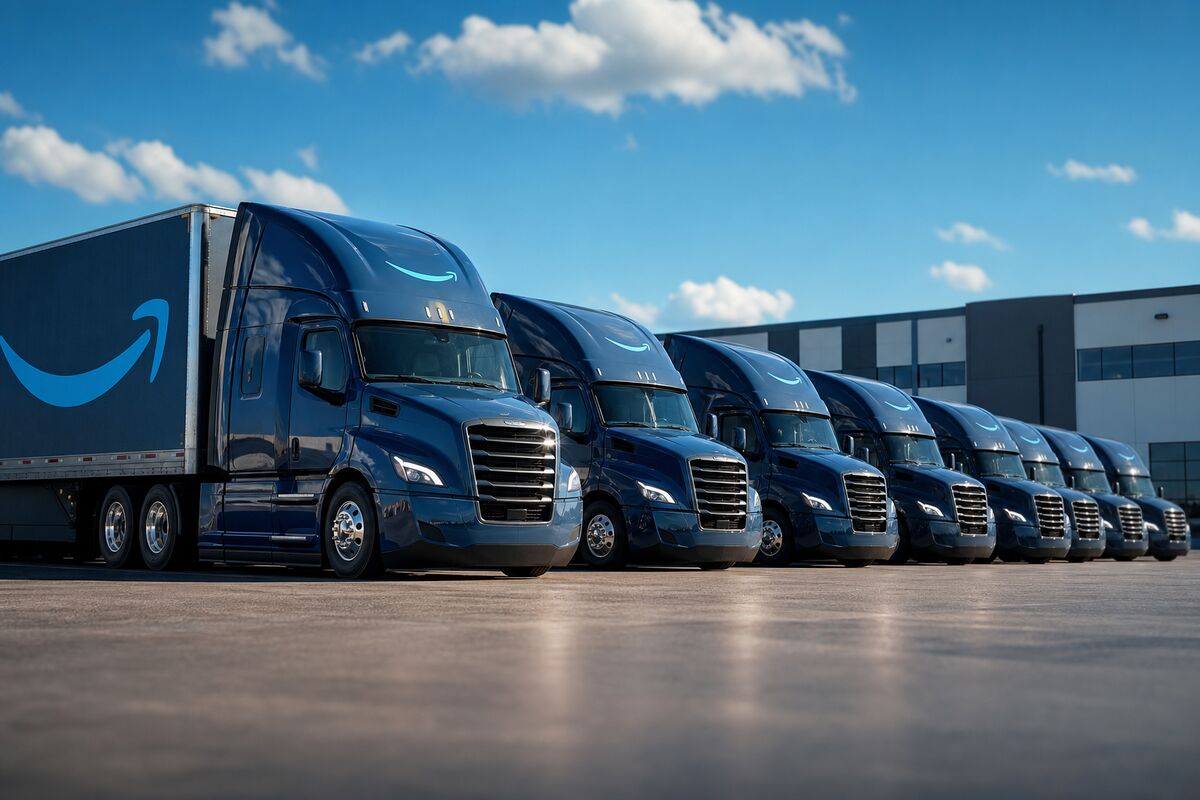
Amazon's latest move into the trucking sector is not just a strategic expansion; it's a seismic shift that could redefine the logistics landscape as we know it. The retail giant is leveraging its vast infrastructure to offer in-house logistics services to third parties, a tactic that poses a substantial threat to traditional logistics companies. This maneuver is indicative of Amazon's relentless pursuit of efficiency and market dominance.
As Amazon broadens its reach in trucking, the immediate reaction from the market was palpable—freight stocks experienced a notable selloff. This market behavior underscores the level of concern among investors regarding how Amazon's entry could disrupt established players in the logistics sector. The apprehension is well-founded; Amazon's operational efficiency and technological prowess could lead to aggressive pricing strategies that traditional logistics firms may struggle to match.
The Implications of Amazon's Expansion
The implications of Amazon's foray into trucking extend far beyond mere competition. By utilizing its existing network and resources, Amazon is not just enhancing its logistics capability but is also reshaping the expectations of service and pricing in the industry. The company's ability to cut costs and improve delivery times could force traditional logistics providers to reevaluate their business models.
Moreover, Amazon's expansion could lead to significant shifts in pricing structures within the logistics sector. With its vast resources, Amazon may drive prices down in a bid to capture market share, challenging the profitability of established logistics companies. This could result in a race to the bottom, where service quality and operational efficiency become paramount to survival.
A Response from the Market
The selloff in freight stocks is a clear indicator of the trepidation surrounding Amazon's ambitions. Investors are reacting to the potential erosion of market share for traditional logistics companies, which may find it increasingly difficult to compete with Amazon's scale and pricing power. This market reaction serves as a harbinger of the challenges that lie ahead for these incumbents.
As we look ahead, it is vital for investors to monitor how traditional logistics companies respond to this new competitive landscape. Will they innovate, or will they be content to defend their existing turf? The answers will likely dictate the future trajectory of the logistics sector.
In conclusion, Amazon's expansion into trucking is poised to have profound implications for the logistics industry. The immediate selloff in freight stocks illustrates the market's recognition of the potential upheaval caused by Amazon's strategic moves. As we navigate this evolving landscape, the dynamics of competition and pricing will be critical to watch.