
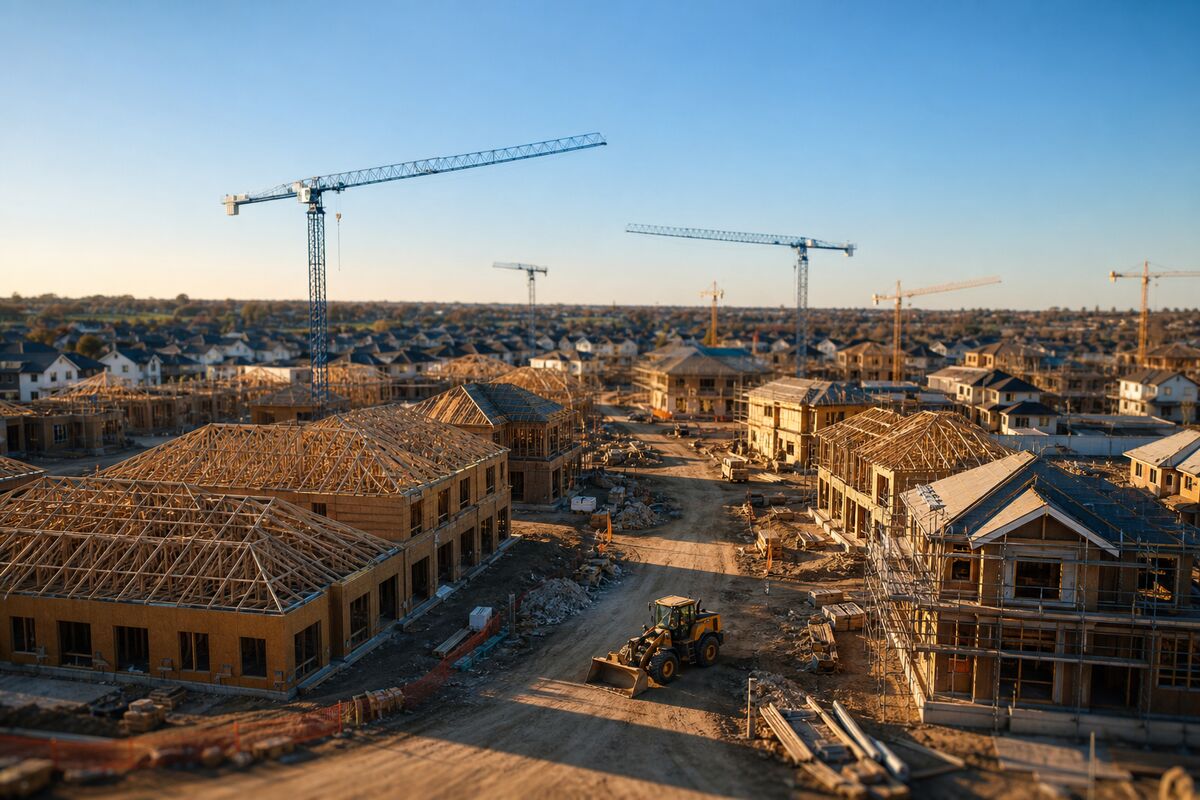
Berkshire Hathaway's $6.8 billion acquisition of Taylor Morrison is not just a corporate transaction; it is a bold statement about the future of the US housing market. Warren Buffett's conglomerate has long been a bellwether in various sectors, and this latest move suggests a calculated bet on residential construction at a time when rising mortgage rates are putting pressure on homebuyers.
This significant acquisition signals Buffett's unwavering confidence in the American housing sector, even amid challenges. The current economic landscape, characterized by escalating interest rates, might deter many investors from the construction sector. However, Berkshire's actions indicate a belief that the long-term fundamentals of housing remain robust, despite short-term volatility.
The Deal's Significance
The acquisition of Taylor Morrison, a prominent homebuilder, means that Berkshire Hathaway is doubling down on an industry that has faced its share of headwinds. Rising mortgage rates have historically dampened housing demand, leading to concerns about a potential downturn. Yet, Berkshire's investment could reflect a broader strategic vision that sees value in the housing market's eventual recovery.
With Taylor Morrison now under the Berkshire umbrella, the implications for existing shareholders are profound. TMHC shares will no longer be publicly traded, prompting a necessary recalibration for investors who previously held stakes in the homebuilder. For those investors, this acquisition could be seen as both a loss of direct investment and an opportunity to reassess their portfolios in light of Berkshire's long-term investment strategy.
Market Dynamics and Investor Sentiment
Berkshire's acquisition could shift investor sentiment in the housing sector. Historically, Buffett's investments have often foreshadowed broader market trends. His confidence in Taylor Morrison could signal to other investors that the housing market may stabilize or even begin to flourish once again. This sentiment could encourage capital inflow into related sectors, such as construction materials, home improvement retailers, and financial services tied to mortgages.
Moreover, the acquisition serves as a reminder that the housing market is cyclical. While the current environment may be challenging, Buffett's strategy suggests that he anticipates a rebound. Investors will need to weigh the implications of this acquisition carefully, as it could redefine their outlook on housing and related investments.
Long-Term Implications for the Housing Sector
In the days to come, analysts will be closely watching how Berkshire Hathaway integrates Taylor Morrison into its portfolio and whether this acquisition leads to operational efficiencies or new growth avenues. As the housing market navigates rising costs and potential demand shifts, Berkshire's strategic moves may provide insight into the resilience of residential construction.
Ultimately, this $6.8 billion bet may well be indicative of a larger trend. If Berkshire Hathaway believes in the housing sector's potential, it could inspire confidence among other institutional investors, potentially leading to a more robust recovery in the market. The next few quarters will be critical in assessing whether this deal will serve as a catalyst for renewed growth in the housing sector.
For those analyzing the market, the takeaway here is clear: Berkshire Hathaway's acquisition of Taylor Morrison is not just about one company. It reflects broader themes within the residential construction market and hints at what may come next. Investors should remain vigilant as they navigate this evolving landscape.
Source