
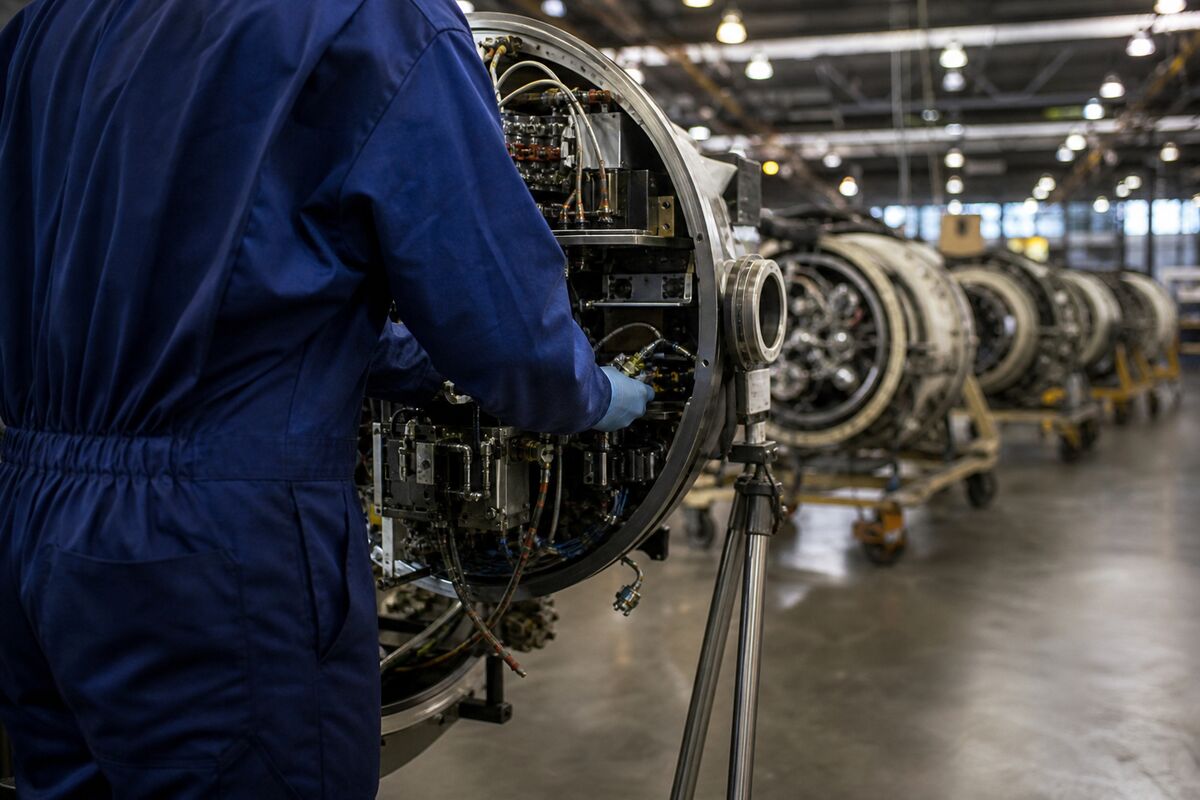
Centrus Energy is paying $116 million for a more tightly controlled place in the nuclear-fuel machine. The acquisition of Westerman, described as a key centrifuge supplier, expands Centrus’s position in the enrichment supply chain and gives investors a concrete example of how nuclear companies may try to capture more value from a strategically important process.
The transaction is not, by itself, an earnings forecast or a promise of operating improvement. It is a supply-chain decision. But in a market increasingly interested in nuclear power as a potential answer to electricity demand associated with artificial intelligence, control over the equipment that supports enrichment may matter almost as much as enthusiasm for the reactor story itself.
According to the reported transaction details, Centrus Energy agreed to acquire Westerman for $116 million. Westerman is described as a key centrifuge supplier, making the deal relevant to the machinery behind nuclear-fuel enrichment rather than merely adjacent to it.
The strategic logic is vertical integration
Vertical integration is a dry phrase for a fairly practical idea: depend less on outside suppliers for an important part of the production chain. By bringing a centrifuge supplier into its business, Centrus could gain greater control over a component tied to its enrichment activities. That may improve its ability to coordinate supply, technical requirements and production priorities.
None of that should be confused with disclosed synergies or a projected increase in output. The assignment provides no financing details, expected savings or operational forecasts. (The press-release version of strategy usually sounds more certain than the available numbers.) What the deal clearly does is extend Centrus’s reach within the nuclear-fuel ecosystem.
For investors, that distinction matters. An acquisition can strengthen a company’s competitive position without immediately changing revenue or earnings. The relevant question is whether control of a key supplier could become more valuable as demand for nuclear fuel and enrichment-related infrastructure receives more attention. The transaction creates that possibility; it does not quantify it.
Why the AI electricity narrative matters
The broader backdrop is rising investor interest in nuclear power as a potential source of electricity for AI-driven demand. Artificial intelligence requires substantial computing infrastructure, and that infrastructure requires electricity. The market’s interest in nuclear is therefore extending beyond reactor developers and utilities to the companies that support the fuel cycle.
Centrus’s deal fits that theme, but the connection should be kept in proportion. The acquisition does not establish how much additional electricity AI will require, how quickly nuclear capacity may expand or what Centrus’s future financial results will be. It does show how the AI-power discussion can filter down into specialized industrial assets, including centrifuge supply.
What US investors should take from the deal
Nuclear-fuel supply-chain consolidation may matter because bottlenecks can become strategically important when the underlying industry attracts more capital and political attention. A company with a broader position across enrichment-related activities could have more influence over its inputs and potentially a stronger competitive position than one relying entirely on third parties.
That is the bull case for the transaction’s strategic rationale. The bear case is simpler: vertical integration is only valuable if the acquired capability translates into better execution or stronger economics, and the available information does not provide those measurements. At $116 million, the deal has a clear price tag, but no disclosed forecast here tells investors how quickly that price may be justified operationally.
The next question is not whether nuclear power has become a popular theme. It is whether Centrus can turn ownership of a key centrifuge supplier into measurable advantages across the enrichment supply chain. Until the company provides that evidence, the acquisition is best understood as a strategically meaningful move whose financial payoff remains unreported.
Bull/Bear Verdict
Bull Case: The $116 million acquisition could strengthen Centrus Energy’s vertical integration by adding a key centrifuge supplier, potentially improving its strategic position as interest in nuclear power and AI-related electricity demand grows.
Bear Case: The deal’s strategic logic is clear, but no expected synergies, financing details or operating forecasts were provided, leaving the $116 million price without a disclosed near-term financial payoff.