
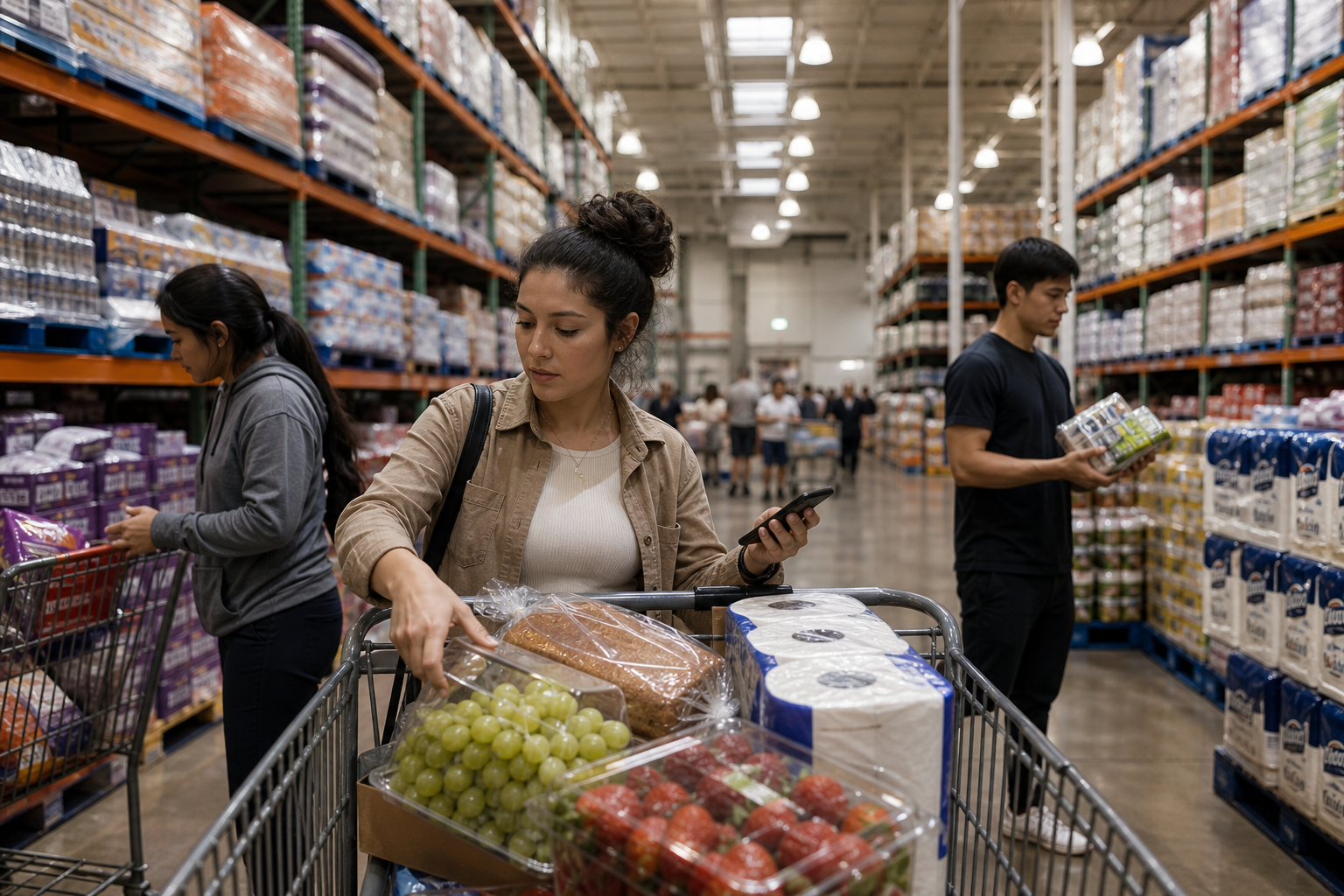
In a bold move that could redefine the retail delivery landscape, Costco and Uber Eats have announced an expanded partnership, increasing their delivery coverage significantly. This shift, allowing Costco members to access delivery in 47 states—up from just 17—highlights a strategic alliance that may enhance both companies' competitive positions and redefine consumer expectations in the grocery sector.
The implications of this partnership extend beyond mere convenience. For Costco, the collaboration with Uber Eats offers a significant boost in membership value. As consumers increasingly expect seamless delivery options, this could lead to higher membership renewals and attract new members seeking the added benefit of home delivery. The ability to order Costco's bulk products through a reliable delivery service could also drive up sales performance, especially in an era where convenience reigns supreme.
Strategic Benefits for Both Companies
This partnership is not just a win for consumers; it’s a strategic maneuver for both Costco and Uber Eats. For Costco, the integration of Uber Eats into their delivery model means leveraging an established platform with a vast customer base. This could translate into increased market penetration for Costco's products, as many consumers may prefer the ease of ordering through an app they already use. On the flip side, Uber Eats benefits from gaining access to Costco's loyal membership demographic, which is known for its purchasing power.
Moreover, as the grocery delivery market continues to evolve, this partnership positions both companies to capitalize on emerging trends. With the pandemic having accelerated the shift towards online shopping and delivery services, aligning with a powerful delivery platform like Uber Eats could place Costco ahead of its competitors in the grocery sector.
Competitive Landscape Analysis
In the competitive landscape of food delivery services, Uber Eats finds itself in a fierce battle against rivals like DoorDash and Instacart. However, the expanded partnership with Costco may provide a distinct advantage. While DoorDash and Instacart have established their footholds, Costco's brand loyalty and customer base can drive unique sales volume through Uber Eats, potentially differentiating it from its competitors.
This collaboration not only enhances service offerings but also fosters a competitive edge in pricing strategies and delivery efficiencies. As consumers increasingly turn to delivery services for their grocery needs, the ability of Uber Eats to offer Costco's exclusive products could solidify its standing in a crowded market.
Investor Takeaways
For investors, the implications of this partnership are multifaceted. The potential for increased market share and revenue growth is substantial, particularly if Costco can effectively leverage this partnership to drive sales and enhance membership value. Analysts may want to closely monitor Costco's sales performance in the coming quarters to gauge the impact of this delivery expansion.
Furthermore, as delivery services continue to play a critical role in consumer purchasing behavior, the performance of Uber Eats may benefit from this collaboration as well. The partnership suggests a proactive approach to capturing a larger slice of the grocery delivery market, which could translate into favorable financial outcomes for both companies.
In conclusion, the expanded partnership between Costco and Uber Eats represents a strategic alignment that could reshape the retail delivery landscape. With both companies poised to enhance their competitive positions, investors should keep a keen eye on the developments stemming from this collaboration.
Source: CNBC