As the sun set over Jackson Hole, Fed Chair Warsh delivered a stark warning that resonated through the financial landscape: inflation isn’t just a stubborn guest at the party; it’s an uninvited one that refuses to leave. This revelation has sent ripples across the stock markets, leaving investors weighing the potential fallout from a looming September rate hike as they brace for a storm.
Warsh’s comments were more than just words; they painted a portrait of an economy grappling with persistent inflationary pressures. His vow to reign in inflation to the Fed's 2% target suggests a tightening monetary policy could be on the horizon. Following his remarks, both the S&P 500 and Nasdaq experienced notable declines, reacting to the pressure of Warsh's 'more concerning' stance on price stability, as reported by Bloomberg.
The Market's Reaction
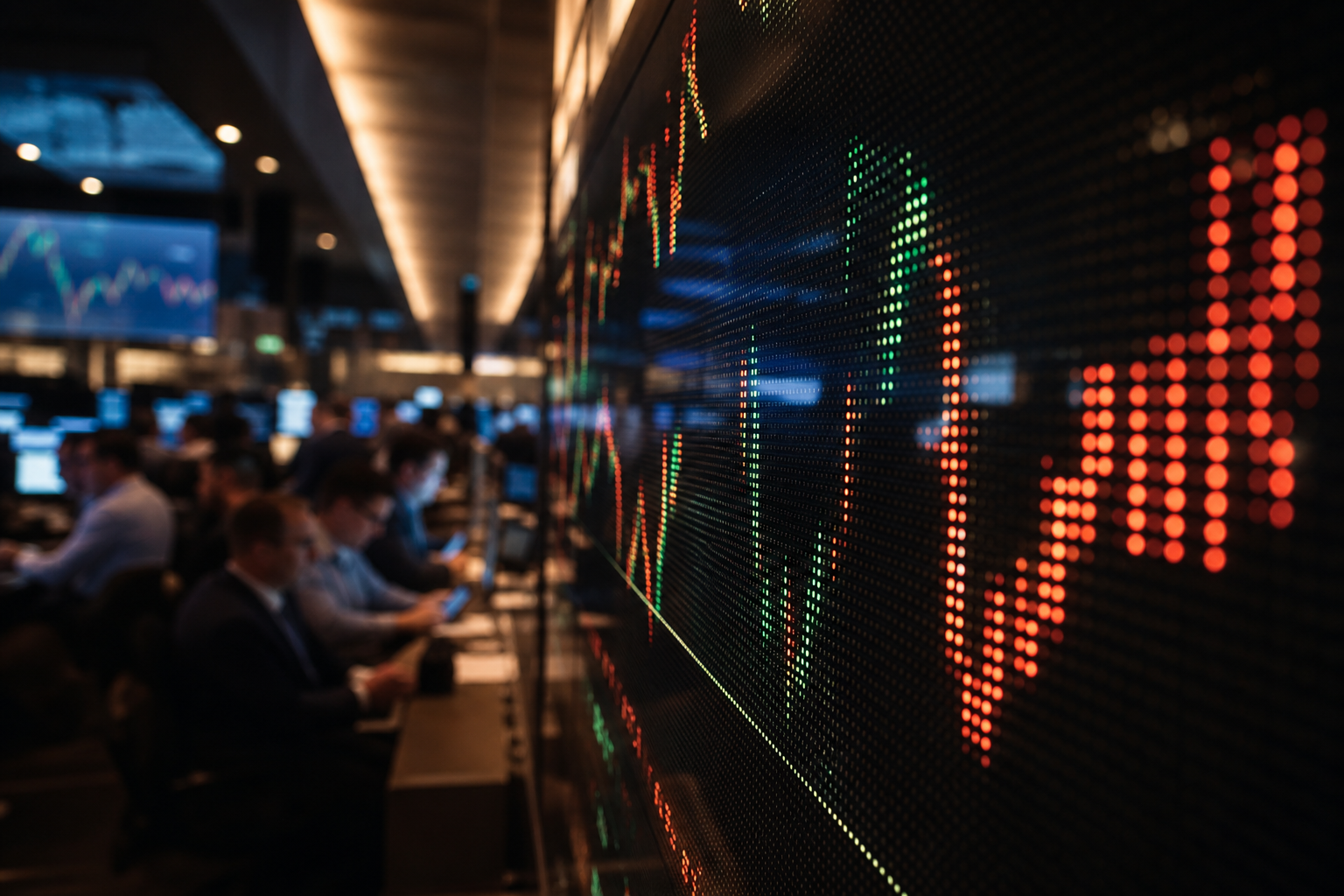
The market's immediate reaction was a sharp drop in the S&P 500 and Nasdaq, as investors digested the implications of Warsh's comments. The volatility index (VIX) touched 14.1 on the same day, indicating a spike in market anxiety as traders contemplated the potential for tighter monetary policy. Such a shift could create a ripple effect, as investors reassess their positions in light of rising interest rates and the specter of diminished growth.
Investor Implications
For investors, this moment is a critical juncture. The prospect of a September rate hike could lead to a repricing of bonds, affecting yield curves and the attractiveness of fixed-income investments. Higher interest rates could pressure growth stocks, traditionally buoyed by low rates, as their future earnings become less appealing in a higher-rate environment. The delicate balance between growth and value investing may be tested as the market navigates these tumultuous waters.
As we look ahead, the implications of Warsh's remarks are profound. The stock market, already skittish, faces a period of recalibration as investors weigh the risks of inflation against the backdrop of potential rate hikes. The road ahead may be fraught with uncertainty, but one thing is clear: the Fed's commitment to tackling inflation could lead to a more volatile trading environment for the foreseeable future.