
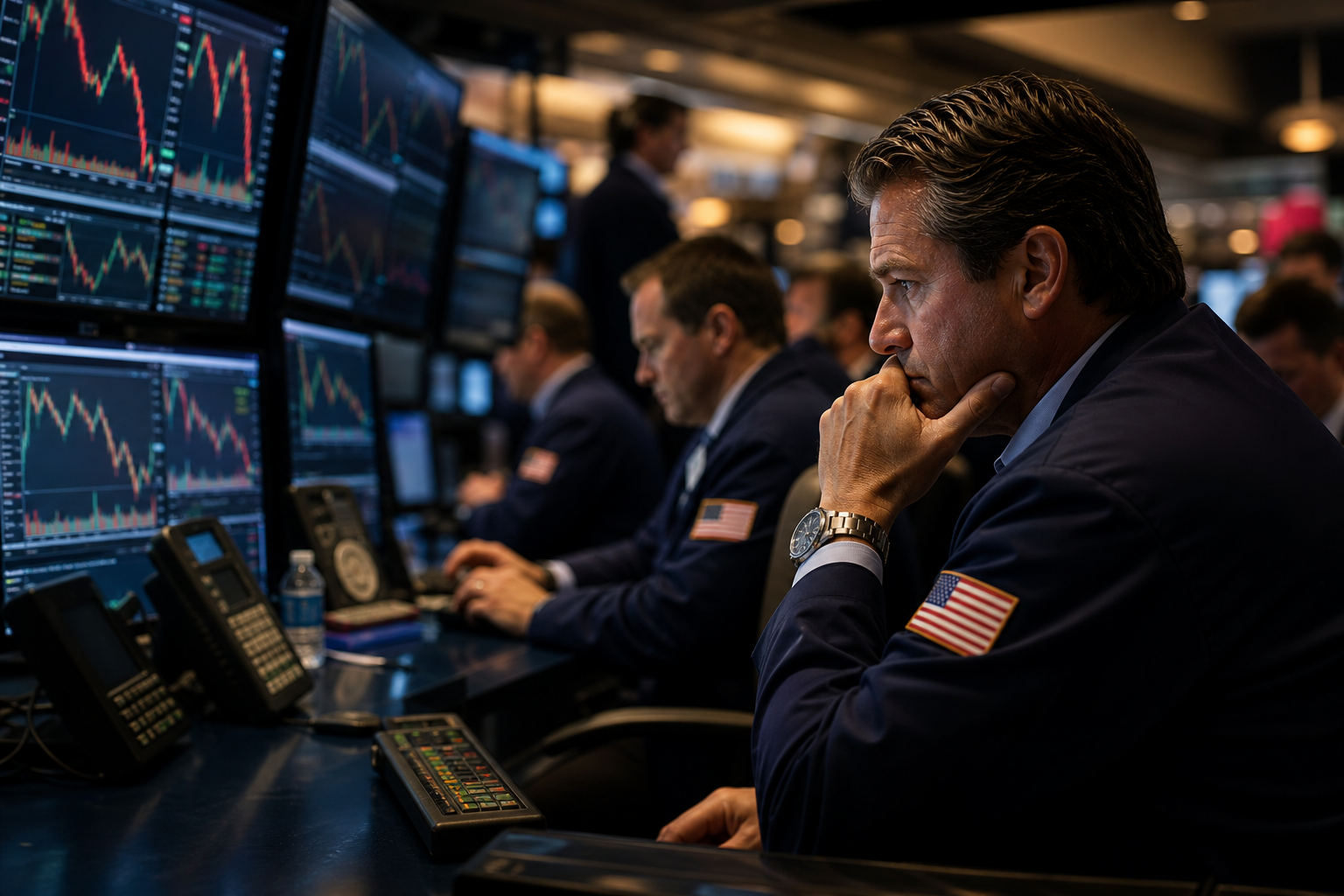
Wall Street is feeling the repercussions of geopolitical tensions, with futures slipping as the specter of US-Iran conflicts casts a shadow over market stability. The current landscape reveals a critical intersection of politics and economics, where the implications of international relations are threatening the optimism that often fuels equity markets.
The latest reports indicate a notable decline in Wall Street futures, with the $SPY, $QQQ, and $DIA all experiencing downward pressure. This downturn can be traced back to escalating tensions between the United States and Iran, which have raised concerns about the stability of the Middle East and its impact on global shipping routes, particularly through the vital Strait of Hormuz.
Iran's insistence on maintaining control over the Strait complicates already fraught shipping negotiations, with the region accounting for a significant portion of the world's oil supply. The Straits are not merely a strategic chokepoint; they are a linchpin of global trade. Any disruption here could reverberate throughout the global economy, sending shockwaves through markets that are already skittish amidst rising inflation and interest rate hikes.
According to Reuters, the ongoing technical talks between the US and Iran aim to secure a peace deal and facilitate the resumption of shipping activities. However, the uncertainty surrounding these discussions is palpable. Investors are keenly aware that geopolitical instability often leads to increased volatility, and the current landscape suggests that Q3 equity futures could be adversely affected.
The market's reaction to geopolitical events is not a new phenomenon. Historical parallels can be drawn to previous instances when international tensions manifested into sharp market corrections. The 1973 oil crisis, for example, highlighted how geopolitical strife can trigger economic downturns, underscoring the sensitivity of markets to external shocks.
As we navigate this precarious terrain, the critical question remains: how will Wall Street respond if tensions escalate further? The interplay of geopolitical dynamics and market performance will be crucial in shaping investor sentiment. With analysts predicting a potential slowdown in growth, the market could face headwinds if the current geopolitical climate persists.
In summary, the decline in Wall Street futures serves as a stark reminder that markets are not isolated from the world’s geopolitical climate. Investors must remain vigilant as the interplay between international relations and market stability becomes increasingly pronounced.