
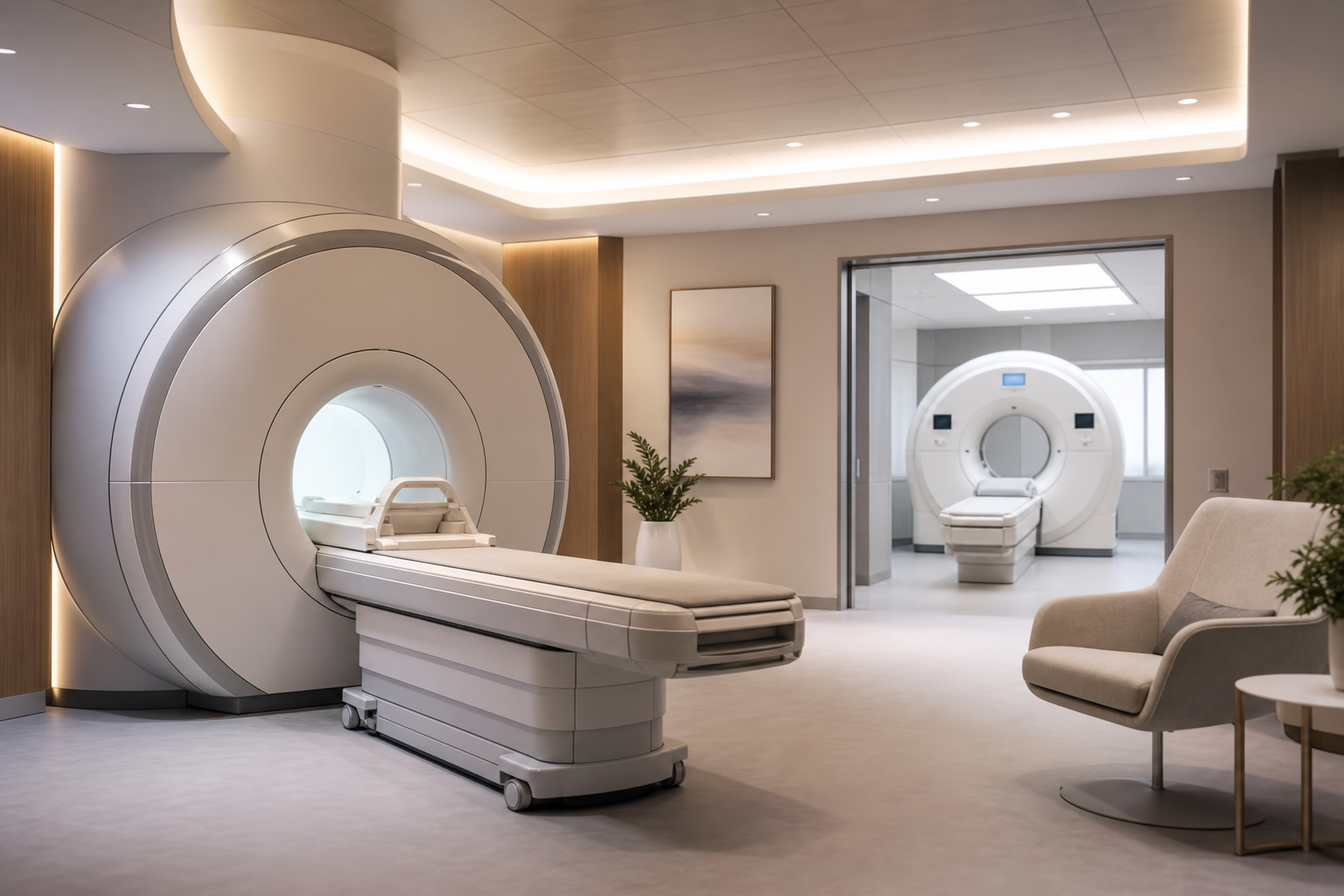
Jardine Matheson’s $2.4 billion acquisition of I-MED Radiology Network isn’t just a significant transaction; it’s an emblem of a healthcare services sector that investors are flocking to for its defensive qualities. With the healthcare landscape increasingly dominated by M&A activity, this deal exemplifies how big players are positioning themselves against economic uncertainties.
Understanding the Deal
The acquisition, as reported, isn’t merely about adding another cog to Jardine Matheson’s portfolio. It’s a strategic move to tap into the growing radiology services market, which has been buoyed by demographic trends favoring an aging population and an uptick in diagnostic imaging needs. This deal suggests a calculated gamble on I-MED’s robust cash flow generation and its established presence in the Australian healthcare market.
Radiology Services: A Defensive Play
In an era where healthcare stocks can sometimes feel like a rollercoaster, radiology services stand out as a more stable investment. The sector benefits from recurring revenue streams—after all, patients don’t just walk into a radiology office once. Regular scans for monitoring chronic conditions or routine screenings offer a steady cash flow that can weather economic storms.
Moreover, the growth prospects are significant. With advancements in imaging technology and a heightened focus on preventive care, the demand for radiology services is expected to continue rising. This makes I-MED an attractive asset not just for Jardine Matheson, but for many investors looking for stability in their portfolios.
M&A Trends in Healthcare
Set aside the prepared remarks for a moment; the real question is why we’re seeing an uptick in healthcare M&A activity. With investors increasingly interested in defensive assets, the healthcare sector has become a hotbed for strategic acquisitions. The combination of steady cash flows and demographic tailwinds makes healthcare services particularly alluring.
Jardine Matheson’s move aligns with this trend, as they leverage their capital to secure a foothold in a sector ripe for growth. The company appears to be banking on the idea that radiology will only become more integral to patient care, and by acquiring I-MED, they’re positioning themselves to capitalize on this trajectory.
Investor Sentiment
The sentiment among investors seems to be leaning toward favoring companies that can provide predictable earnings. In this light, I-MED’s consistent performance could act as a beacon for Jardine Matheson’s broader strategy. The acquisition could also signal to the market that the healthcare sector is not just a safe haven but a frontier with growth potential.
However, it’s worth noting that while the allure of steady revenue is clear, the integration of I-MED into Jardine Matheson’s existing framework will require careful navigation. The synergy between the two entities must be managed effectively to realize the projected benefits of this acquisition.
The Road Ahead
As this transaction unfolds, the actual question investors will be asking is whether Jardine Matheson can successfully integrate I-MED and leverage its strengths. The $2.4 billion price tag suggests high expectations, and meeting them will be critical for the company’s long-term success in the healthcare arena.
In conclusion, while the deal highlights the growing trend of M&A in healthcare, it also underscores the importance of strategic execution. Jardine Matheson’s acquisition may be a smart move, but the real test lies in its ability to navigate the complexities of this dynamic industry.
For more details on the acquisition, you can read the full report here.