Market volatility has a new catalyst: Trump's recent remarks regarding the Iran deal have sent ripples through Wall Street, triggering immediate reactions from investors and traders alike.
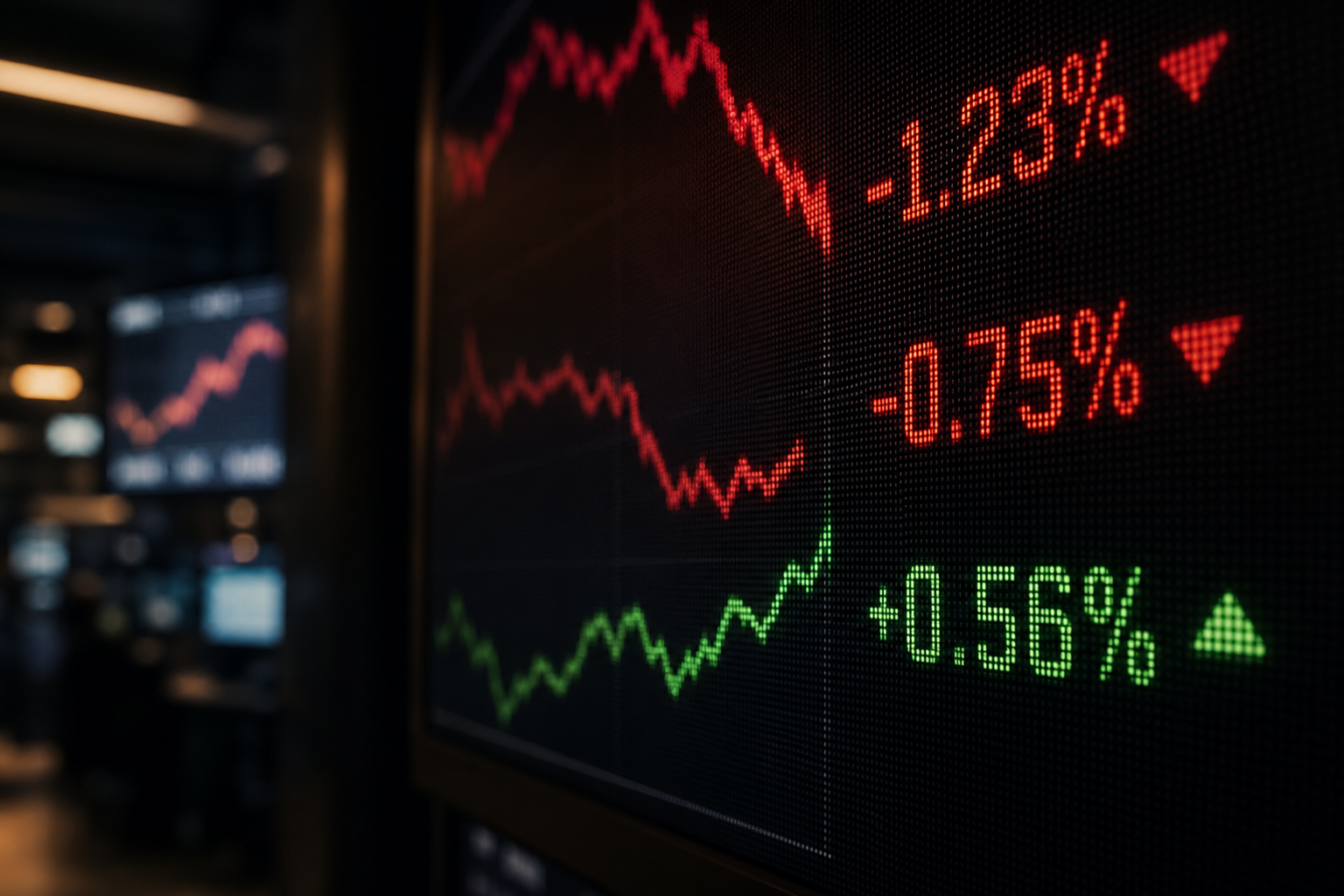
On July 8, 2026, President Trump’s declaration concerning the Iran deal, coupled with his threats of further military action, has not only influenced geopolitical stability but also sparked a notable sell-off in stocks and bonds. The S&P 500 closed at 7,537.43, while the Nasdaq Composite stood at 26,121.16. These numbers indicate a significant response from the market to heightened geopolitical risks.
As reports emerged detailing Trump's aggressive stance toward Iran, traders began recalibrating their risk assessments. The immediate aftermath saw Wall Street decline, reflecting a broader sentiment of unease among investors. This is a classic case of how geopolitical developments can overshadow economic fundamentals, forcing traders to reconsider their positions on both equities and fixed income.
The S&P 500 and Nasdaq's declines are emblematic of a larger trend: a recalibration of risk premium in an environment fraught with uncertainty. When political leaders engage in rhetoric that suggests possible military engagements, markets typically react with caution. The implications of such statements extend beyond immediate stock prices; they can alter the trajectory of market sentiment for weeks or even months.
The sell-off in stocks was mirrored in bond markets, where yields tightened as investors sought safety. This dual movement—equities falling while bonds rallied—suggests a flight to quality, a common response during periods of geopolitical tension. Investors are clearly prioritizing capital preservation over potential gains amidst increasing uncertainty.
Moreover, Trump's simultaneous trade halt against Spain adds another layer of complexity to the situation, further intensifying market jitters. This action signifies that geopolitical tensions are not just isolated to Iran but are part of a broader narrative of trade and military strategy that could have far-reaching implications for global markets.
In assessing the impact on the S&P 500 and Nasdaq, it's crucial to recognize that these indices are not merely reflective of U.S. corporate performance but are also barometers of overall market sentiment. The current sell-off indicates that traders are bracing for volatility, anticipating that the geopolitical landscape may shift rapidly.
Investors should be aware that as geopolitical risks evolve, so too will market dynamics. The immediate reactions to Trump's remarks serve as a reminder of the interconnectedness of global events and market performance. This kind of uncertainty often leads to increased market volatility, which could present both challenges and opportunities for traders looking to navigate the shifting landscape.
As we move forward, it will be essential to monitor how these geopolitical events unfold and how they continue to influence market sentiment and investor behavior.
For further insight into these events and their market implications, you can read more here.