
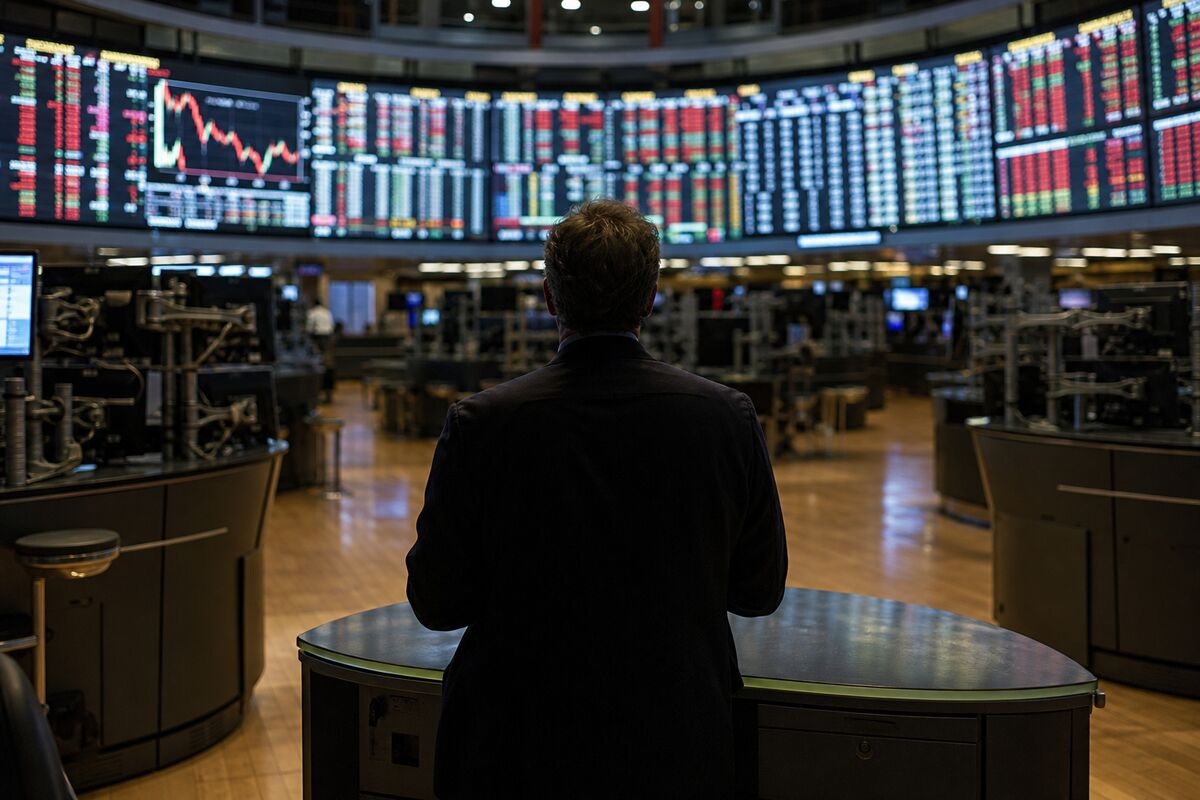
The Nasdaq Composite fell 2.86% on November 1, 2026, as investors dumped technology shares and questioned whether the enormous capital spending tied to artificial intelligence can keep producing growth at the pace markets have come to expect. The move was not a routine wobble in a growth-heavy index: CNBC characterized it as the Nasdaq's worst day since June, while defensive stocks held up better.
That contrast is the day's real message. The market was not simply losing its appetite for equities; it was becoming more selective about which earnings stories deserve a premium. As Yahoo Finance data shows, the Nasdaq Composite's 2.86% decline put the cost of enthusiasm for technology shares squarely back on the table.
AI spending is becoming an earnings question
For much of the technology trade, artificial intelligence has functioned as both a growth narrative and a justification for heavy capital expenditure. Companies spending aggressively on computing infrastructure, data centers and related systems have been treated as laying the groundwork for future demand. That logic can survive a skeptical quarter. It has a harder time surviving a market-wide question about how much spending is enough—and when the return on that spending will become visible.
Investors were reportedly selling technology shares amid concerns about AI spending and capital expenditure. That does not establish that the underlying technology opportunity has disappeared. It does indicate that the market's tolerance for delayed payoffs may be narrowing. A business can be strategically well positioned and still face a valuation problem if the spending required to support the story rises faster than the evidence supporting it.
The distinction matters because growth stocks are priced not only on current results, but also on expectations that extend well beyond the next reporting period. When those expectations are revised, the pressure can reach across an entire group even without individual-company data pointing to a single failure. (The market is often less patient with a multibillion-dollar promise than a presentation deck would prefer.)
Rotation, not surrender
CNBC's description of technology stocks being crushed while defensive stocks outperformed captures a rotation in investor preference. Defensive sectors generally appeal when market participants place greater value on steadier demand and near-term visibility than on distant growth. Their relative strength on this day suggests that investors were seeking shelter from uncertainty around technology spending, rather than treating every part of the market as equally exposed.
That distinction is important for retail investors reassessing exposure to growth stocks. The question is not simply whether technology remains attractive. It is whether a portfolio's concentration in high-expectation names leaves enough room for a period in which capital spending rises, payoffs arrive later, or sentiment turns before fundamentals do. A defensive-sector allocation may reduce exposure to that particular pressure, but it also changes the source of potential returns and may lag if enthusiasm for technology quickly returns.
The question beneath the decline
The Nasdaq Composite's 2.86% slide does not, by itself, settle the debate over AI's economic value. It does show that investors are demanding a clearer connection between spending and results. The next market test is whether technology shares can stabilize as companies provide evidence that capital expenditure is translating into durable demand—or whether the selloff broadens because the spending cycle itself has become the concern.
For now, the bull and bear cases can coexist. AI investment may still support substantial long-term growth, while the near-term market is plainly less willing to accept the costs without clearer proof of payoff. That tension, rather than the day's percentage alone, is what retail portfolios are being asked to absorb.
CNBC's market coverage frames the shift plainly: technology was under pressure, while defensive shares benefited from the change in mood. The next quarter's actual question is whether that mood reflects temporary positioning—or a more durable reset in how investors value AI-led growth.
Bull/Bear Verdict
Bull Case: The Nasdaq Composite's 2.86% decline may reflect a reset in expectations rather than a rejection of AI, leaving room for technology sentiment to recover if capital spending begins producing clearer evidence of durable demand.
Bear Case: The Nasdaq's worst day since June, combined with reports that technology stocks were crushed as defensive shares outperformed, may indicate that investors are demanding faster payoffs from AI spending and could continue reducing exposure if that evidence does not arrive.