
In a bold move that could reshape the utility sector as we know it, NextEra Energy (NEE) and Dominion Energy (D) have confirmed their merger, forming the world's largest regulated electric utility. This merger is not merely a corporate consolidation; it signals a seismic shift in how utilities operate and compete in an increasingly complex energy landscape.
The implications of this merger extend beyond the immediate financial metrics. It represents a strategic response to the mounting pressures of regulatory environments and the urgent need for modernization in the utility sector. As both companies navigate the intricacies of federal and state regulations, this union could set new standards in compliance and operational efficiency.
The Regulatory Landscape
The merger’s approval will likely face scrutiny from regulators concerned about market competition and consumer prices. Historically, utility mergers have been contentious, with regulators often wary of concentrated power in an essential service sector. However, this merger may be positioned as a catalyst for positive change, promoting innovation and efficiency.
NextEra, recognized for its commitment to renewable energy, could leverage Dominion’s infrastructure and customer base to enhance the transition towards sustainable energy sources. This synergy may not only appease regulators but also align with the growing public and governmental demand for cleaner energy solutions.
Competition and Market Dynamics
In the competitive utility landscape, this merger raises questions about how smaller players will react. As the largest regulated electric utility, the combined entity will have significant market share and resources, potentially stifling competition. However, it also may accelerate the pace of innovation among rivals, who will be compelled to adapt quickly to maintain market relevance.
Moreover, smaller utilities may find opportunities for strategic partnerships or mergers of their own to compete more effectively against this new behemoth. Historically, market shifts often lead to consolidation, and this merger could be the first domino in a wave of similar deals.
Renewable Energy Development
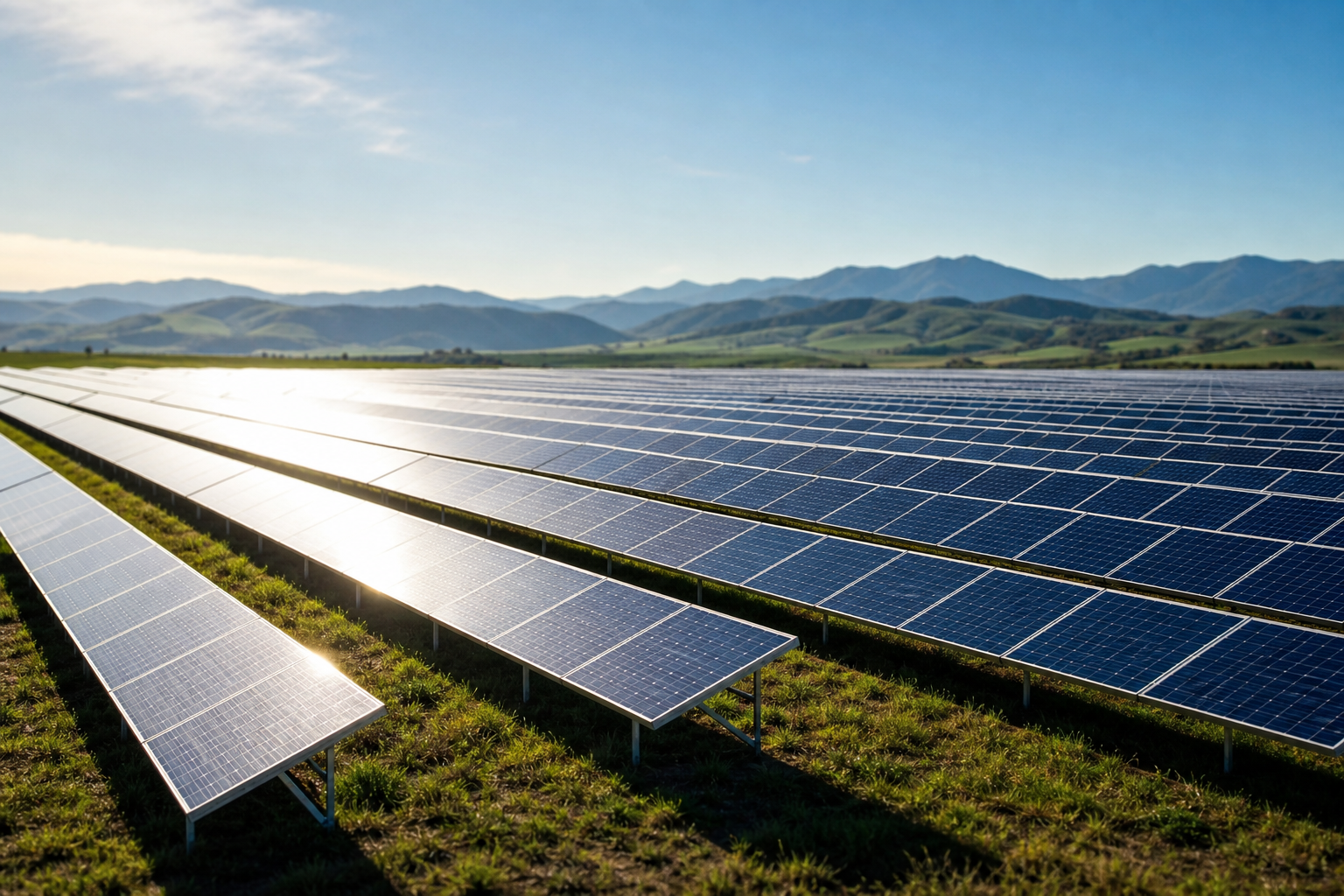
One of the most compelling aspects of the NextEra-Dominion merger is its potential impact on renewable energy development. With NextEra’s position as a leader in wind and solar energy, the merger could expedite investments in renewable projects, modernizing the grid and meeting the demands of an evolving market.
The combined expertise and financial strength of both companies could foster advancements in clean energy technologies, enabling them to capitalize on federal incentives aimed at promoting renewable energy. This could lead to significant improvements in service delivery, customer satisfaction, and environmental stewardship—key metrics in today’s utility landscape.
As we observe this merger unfold, it will be crucial for stakeholders—regulators, investors, and consumers alike—to assess its long-term ramifications. Will it lead to enhanced services and lower costs, or will it create an oligopoly that undermines competition? Only time will tell.
For now, the NextEra and Dominion merger stands as a pivotal moment in the utility sector, with the potential to influence regulatory frameworks and drive the future of renewable energy development. As the dust settles, market participants should remain vigilant and prepared for the shifts this landmark deal will undoubtedly instigate.
For further insights into this merger, visit Seeking Alpha.