
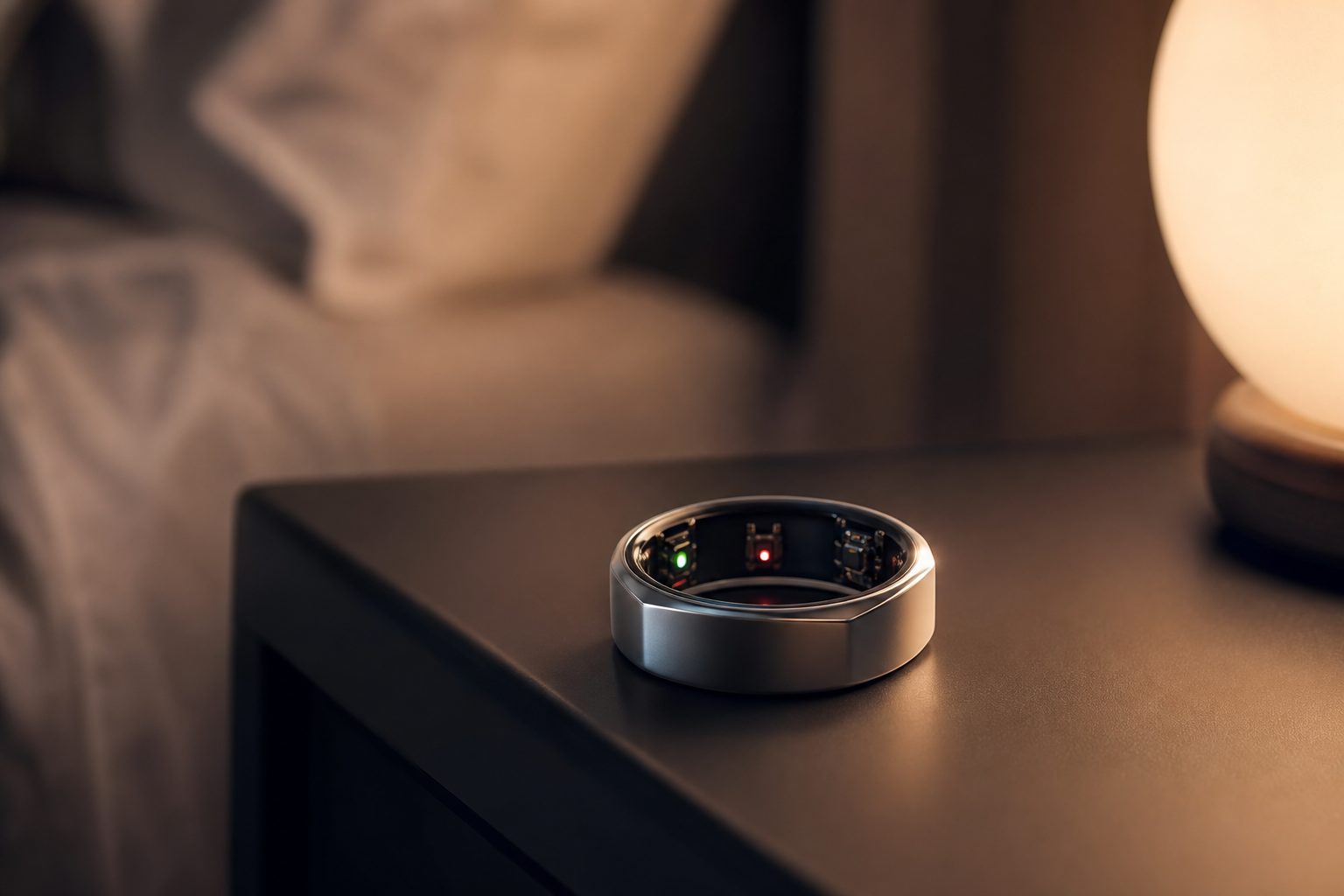
In a world increasingly obsessed with health and wellness, Oura's confidential IPO filing has piqued investor curiosity and spotlighted the burgeoning wearable health technology market. The maker of the Oura Ring, a sleek accessory that tracks everything from sleep patterns to heart rate variability, is taking a significant step toward becoming a publicly traded company, although the timing and details remain under wraps.
Oura's move to file confidentially with the SEC allows it to keep its financials and specific offerings out of the public eye for now – a strategic choice that might just make sense in an environment where investor interest is soaring. The wearable health tech sector has seen a surge in demand, driven by a growing consumer focus on personal health data and preventive care. This is a market ripe for disruption, where Oura’s smart ring could become a central player.
As the health tech landscape expands, Oura stands to benefit from the increasing appetite for innovative solutions that empower users to take charge of their wellness. With competitors like Apple and Fitbit already entrenched, Oura's unique selling proposition lies in its ability to provide detailed health insights without the clunky design of traditional wearables. The sleek, minimalist design of the Oura Ring has attracted a loyal customer base, combining functionality with aesthetic appeal.
Of course, the catch is that while the ring has garnered a cult following, market dynamics remain unpredictable. The timing of Oura’s public offering is still unknown, leading to speculation among investors about what the company might reveal in its eventual S-1 filing. Will it be a splashy debut that capitalizes on current trends, or will it opt for a quieter entry into the market?
As stakeholders await clearer signals, the underlying question is how Oura will position itself amid competitors and changing consumer preferences. The company has the potential to leverage its brand loyalty and the current health trend, but it must also navigate the complexities of going public in a saturated market. The outcomes could significantly impact not only its valuation but also investor sentiment toward the broader health tech sector.
In a time when initial public offerings can either thrill or disappoint, Oura's confidential stance allows it to prepare for the storm of public scrutiny while keeping its strategy close to the vest. Investors will be watching closely to see if this stealthy approach pays off or if it merely delays the inevitable questions that come with being a public entity.
As we look ahead, the question remains: when will Oura finally lift the veil on its IPO plans, and what will that mean for health tech investors seeking to capitalize on the next big trend?
Source