
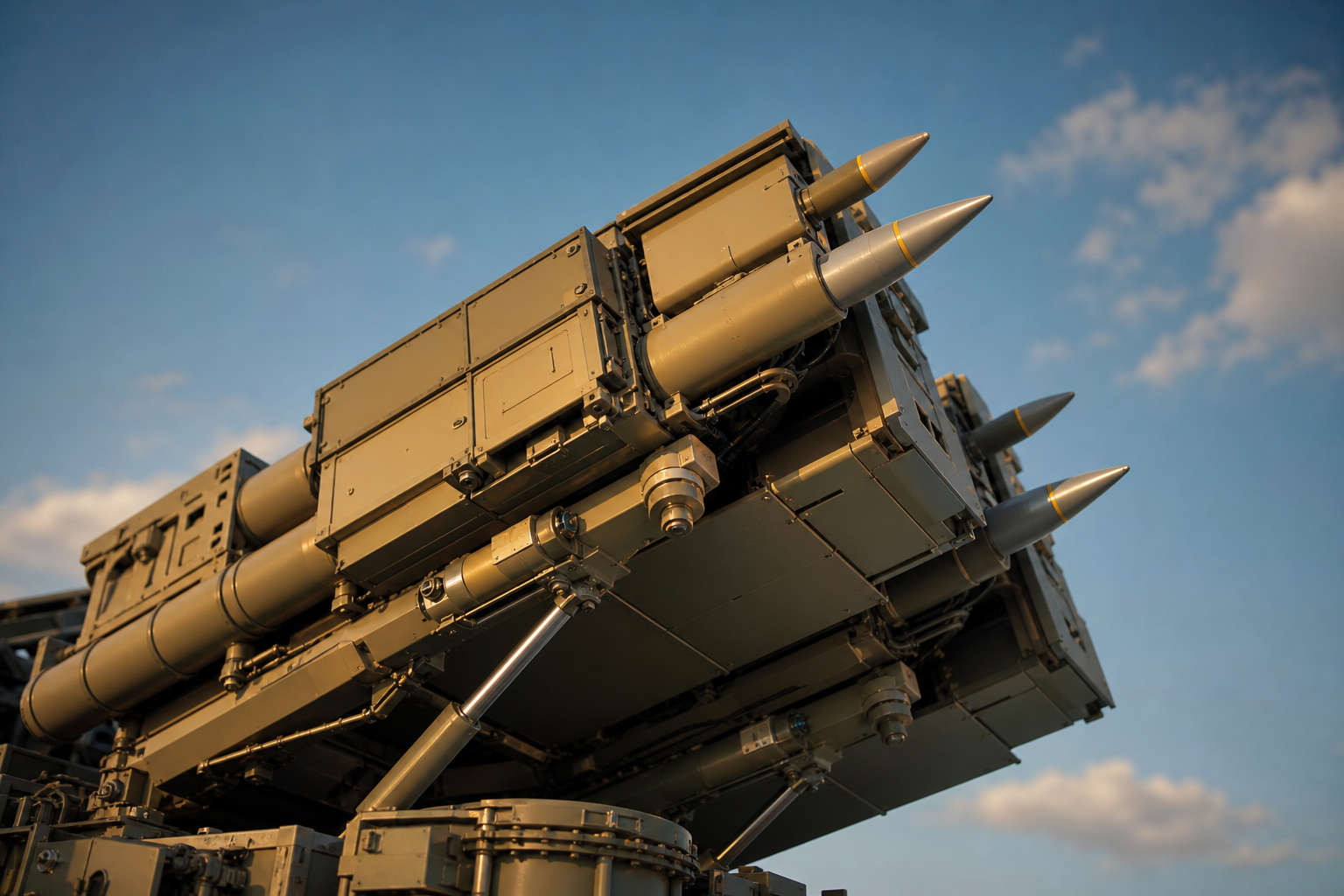
The Pentagon's recent decision to award Raytheon Technologies ($RTX) a substantial $22.9 billion contract is not just another feather in the cap for the defense giant; it’s a seismic shift that could redefine investor confidence in the defense sector. This seven-year deal, aimed at boosting the production of Tomahawk missiles, underscores the U.S. government's commitment to maintaining a robust defense posture amid escalating global tensions.
For investors, this contract signifies more than just a financial windfall. It hints at a potential for long-term earnings support for Raytheon, indicating that the company is well-positioned to capitalize on heightened defense spending. Such substantial contracts often serve as a precursor to increased stock performance, especially in a sector that historically reacts favorably to government spending.
Significance of the Contract
The $22.9 billion contract represents a critical component of U.S. defense procurement strategy. By significantly ramping up the production of Tomahawk missiles, Raytheon not only solidifies its status as a key player in defense manufacturing but also establishes a steady revenue stream that could bolster its financials for years to come. The implications are far-reaching, as this deal could serve as a blueprint for future contracts across the defense sector.
Long-Term Earnings Support
From an investment standpoint, the consistency of revenue from such a large contract is invaluable. Investors often look for stability amid market volatility, and defense contracts provide that in spades. Raytheon's ability to secure this deal could suggest a more predictable earnings trajectory, which might appeal to risk-averse investors. Moreover, as nations prioritize defense spending, Raytheon is poised to benefit from a favorable environment, potentially driving its stock performance upward.
Influence on Investor Sentiment
Investor sentiment in the defense sector is often influenced by government contracts and defense budgets. The substantial nature of this contract could evoke optimism among investors, signaling confidence in Raytheon's operational capabilities and future growth. As the market digests the news, we may see an uptick in interest in defense stocks, with Raytheon likely at the forefront.
However, investors should remain cautious. While the news is undoubtedly positive, the defense sector is not without its challenges, including regulatory hurdles and potential shifts in government policy. As such, the long-term impact of this contract will depend on how effectively Raytheon can execute on its commitments and navigate the complex landscape of defense procurement.
In conclusion, Raytheon's $22.9 billion contract with the Pentagon is a landmark development that not only enhances its production capabilities but also sets the stage for potential investor gains. As the defense sector continues to adapt to a changing geopolitical landscape, Raytheon's strategic positioning could make it a compelling option for those looking to invest in a sector that may see increased demand.
Read more about the contract here.