The landscape of international relations is as unpredictable as the stock market itself, and recent developments in the US-Iran negotiations serve as a stark reminder of this reality. The cancellation of peace talks aimed at establishing an interim deal has sent ripples through the financial markets, raising red flags for investors who thrive on stability.
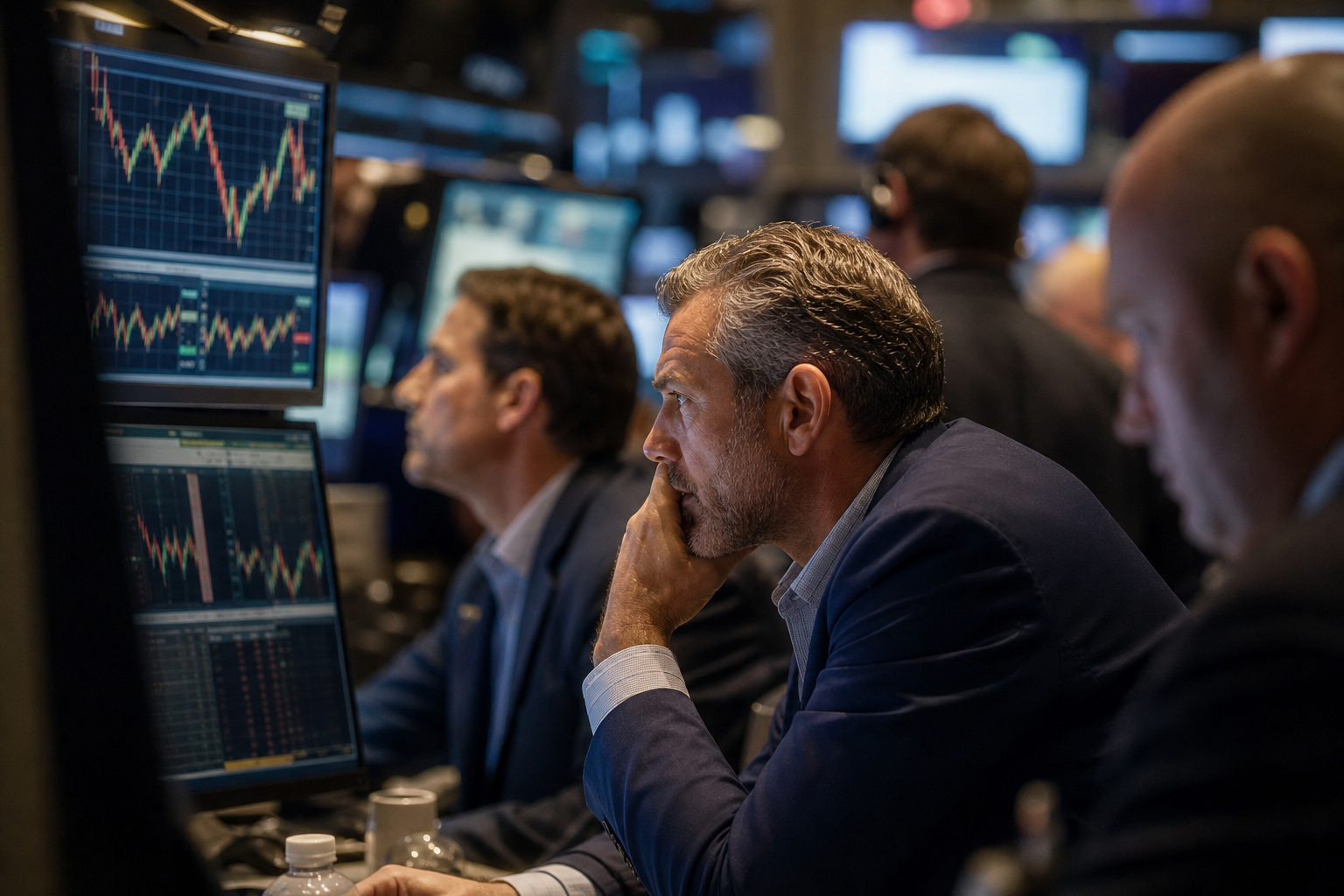
Geopolitical tensions have a notorious knack for unsettling market dynamics. As the US and Iran grapple with their complicated relationship, the impact on investor confidence becomes palpable. The mere hint of instability can cause a domino effect, influencing everything from oil prices to stock valuations. When negotiations falter, uncertainty reigns, prompting investors to reevaluate their positions and strategies.
In a world where markets are often seen as barometers of broader economic health, the repercussions of canceled talks extend beyond immediate investor sentiment. The potential for heightened tensions could lead to an increase in oil prices, given Iran's pivotal role in global oil supply. Such fluctuations may not only affect energy stocks but could also have cascading effects on sectors dependent on stable energy prices.
The nuances of investor behavior cannot be overlooked either. As investors digest the news of the canceled talks, many may adopt a more cautious approach, opting to retreat into safer assets or sectors. This shift could lead to a temporary withdrawal from equities, particularly in industries that are sensitive to geopolitical developments. A flight to quality, typically seen in times of uncertainty, could further exacerbate volatility in the markets.
Moreover, the psychological effects of geopolitical events can be as influential as the events themselves. The mere perception of instability can lead to fluctuations in trading volumes, as investors reassess their risk tolerance. The stock market is often driven by sentiment, and when that sentiment turns negative, it can create a self-fulfilling prophecy of declining values.
It’s important to note that while the cancellation of the talks is a setback, the long-term implications remain to be seen. Investors will be watching closely to see how the situation unfolds and whether further negotiations are on the horizon. The ability of leaders to navigate these turbulent waters will be key in determining the market's trajectory moving forward.
In summary, the cancellation of the US-Iran peace talks is a critical reminder of how geopolitical tensions can influence market stability. As investors grapple with the potential fallout, the onus will be on them to navigate this complex interplay between politics and finance.
For more insights into the implications of this geopolitical development on the markets, you can read the full article on CNBC.