
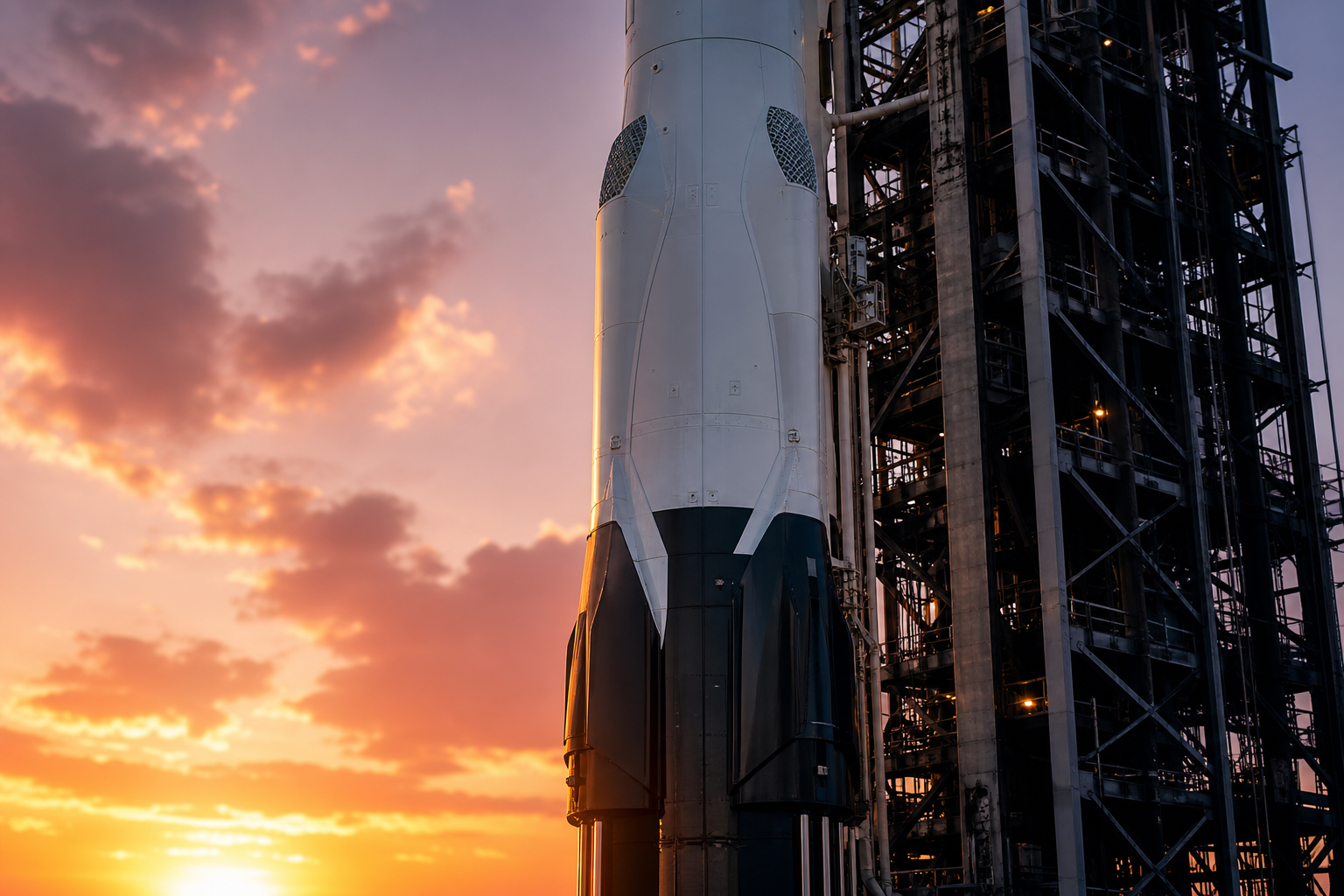
The countdown is on! SpaceX's highly anticipated IPO is set for June 12, and it's stirring up excitement across the investment landscape. With expectations that this could be the largest IPO in history, all eyes are on the implications for investors and the broader market.
Analysts are weighing in, and the consensus is clear: mega-IPOs like SpaceX's could signal potential market top conditions. This isn’t mere speculation. Historical trends suggest that when substantial companies go public, it often coincides with heightened market volatility and caution. Investors need to be vigilant.
What Makes SpaceX Stand Out
SpaceX is not just another tech company; it's a pioneer in aerospace technology and commercial space travel. The excitement surrounding its IPO is palpable, and the potential for massive capital influx could reshape the market dynamics. The question is: will investors flock to this opportunity, or will they approach it with caution?
The OpenAI Parallel
In addition to SpaceX, OpenAI is also making headlines with its upcoming public offering. Analysts are drawing parallels between these two tech giants. OpenAI's IPO may signal a shift in the tech sector, positioning it as a critical player alongside SpaceX. What does this mean for the market? It suggests that investor sentiment could be heavily influenced by the success or failure of these IPOs.
Market Sentiment and Timing
The timing of SpaceX's IPO comes at a critical juncture for the markets. As we approach mid-2026, economic indicators are mixed, and investor confidence is wavering. The potential for a record-breaking IPO could either rejuvenate the market or exacerbate existing tensions. Analysts are urging investors to consider the broader implications of such a colossal offering.
In conclusion, while the excitement around SpaceX's IPO is undeniable, the warnings from analysts should not be overlooked. The market is at a pivotal point, and the outcomes of these IPOs could have lasting effects. For investors, this is a time to stay informed and prepared.
For more details, check out the full article on CNBC.