
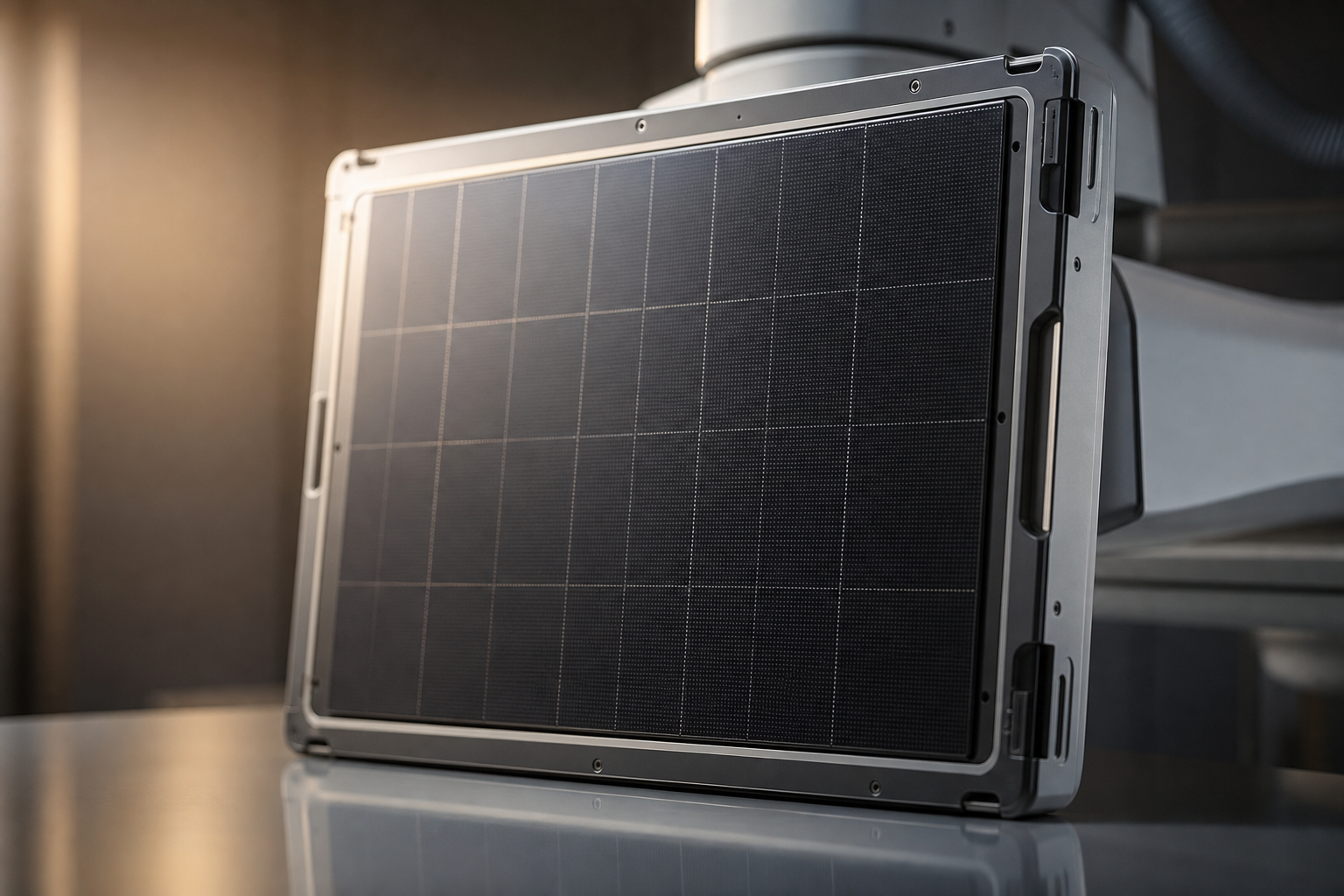
In a bold move, Teledyne Technologies Inc. ($TDY) has announced its intent to acquire Varex Imaging Corporation ($VREX) for a staggering $1.1 billion in cash. This acquisition isn't just another line item on a balance sheet; it represents a significant strategic pivot in the imaging sector that could reshape the competitive landscape.
The immediate market reaction has been notable, with VREX shares soaring 47% following the announcement. Such a dramatic spike signals not only investor enthusiasm but also highlights a broader trend in the imaging industry, where consolidation appears to be the name of the game. For retail investors, this surge presents both opportunities and challenges as they navigate the implications of such corporate maneuvers.
Understanding the Acquisition
Teledyne's acquisition of Varex is a calculated step toward enhancing its portfolio in the imaging sector, a market that has seen increasing demand driven by technological advancements and higher healthcare standards. By integrating Varex's expertise in imaging components and services, Teledyne aims to bolster its existing capabilities and expand its market share.
This acquisition is particularly significant given Varex's position as a key player in the medical imaging space. Their technology is integral to various imaging applications, from X-ray systems to industrial imaging solutions. The synergy between Teledyne and Varex could lead to innovative product offerings, potentially capturing greater market share in both healthcare and industrial sectors.
Share Price Surge: Implications for Retail Investors
The 47% surge in VREX shares is a clear indicator of market sentiment regarding the acquisition. This type of sharp increase often attracts retail investors who might see it as a sign of a firm on the rise. However, it's crucial for these investors to consider the volatile nature of such jumps. Market euphoria can quickly turn to skepticism as the acquisition progresses, with investors needing to weigh the long-term benefits against potential integration challenges.
Moreover, the acquisition premium paid by Teledyne suggests that they are confident in Varex's future contributions to their bottom line. Retail investors should thus analyze how this acquisition aligns with Teledyne's overall growth strategy, which has historically included strategic acquisitions to enhance technological capabilities.
Teledyne's Growth Strategy
Teledyne's pursuit of Varex fits neatly into its overarching growth narrative. The company has a history of making strategic acquisitions to bolster its technological expertise and expand its market reach. By integrating Varex, Teledyne is not only acquiring a company but also enhancing its competitive edge in the imaging market.
Future impacts could be substantial, with potential for new product development and increased operational efficiencies. This acquisition may open doors to new revenue streams, particularly in sectors that require advanced imaging solutions. However, the success of this integration will rely heavily on management's ability to execute a seamless transition and capitalize on the combined strengths of both companies.
Conclusion
Teledyne's $1.1 billion acquisition of Varex Imaging is a significant move that redefines its position in the imaging industry. The immediate reaction in the market, as evidenced by the surge in VREX shares, reflects the excitement surrounding this deal. However, as always in the world of finance, potential investors should approach with caution, recognizing both the opportunities and risks that accompany such significant corporate transformations.
SourceBull/Bear Verdict
Bull Case: The acquisition could significantly enhance Teledyne's market position and product offerings in the imaging sector.
Bear Case: Retail investors may face volatility as the market adjusts to the implications of the acquisition and potential integration risks.