
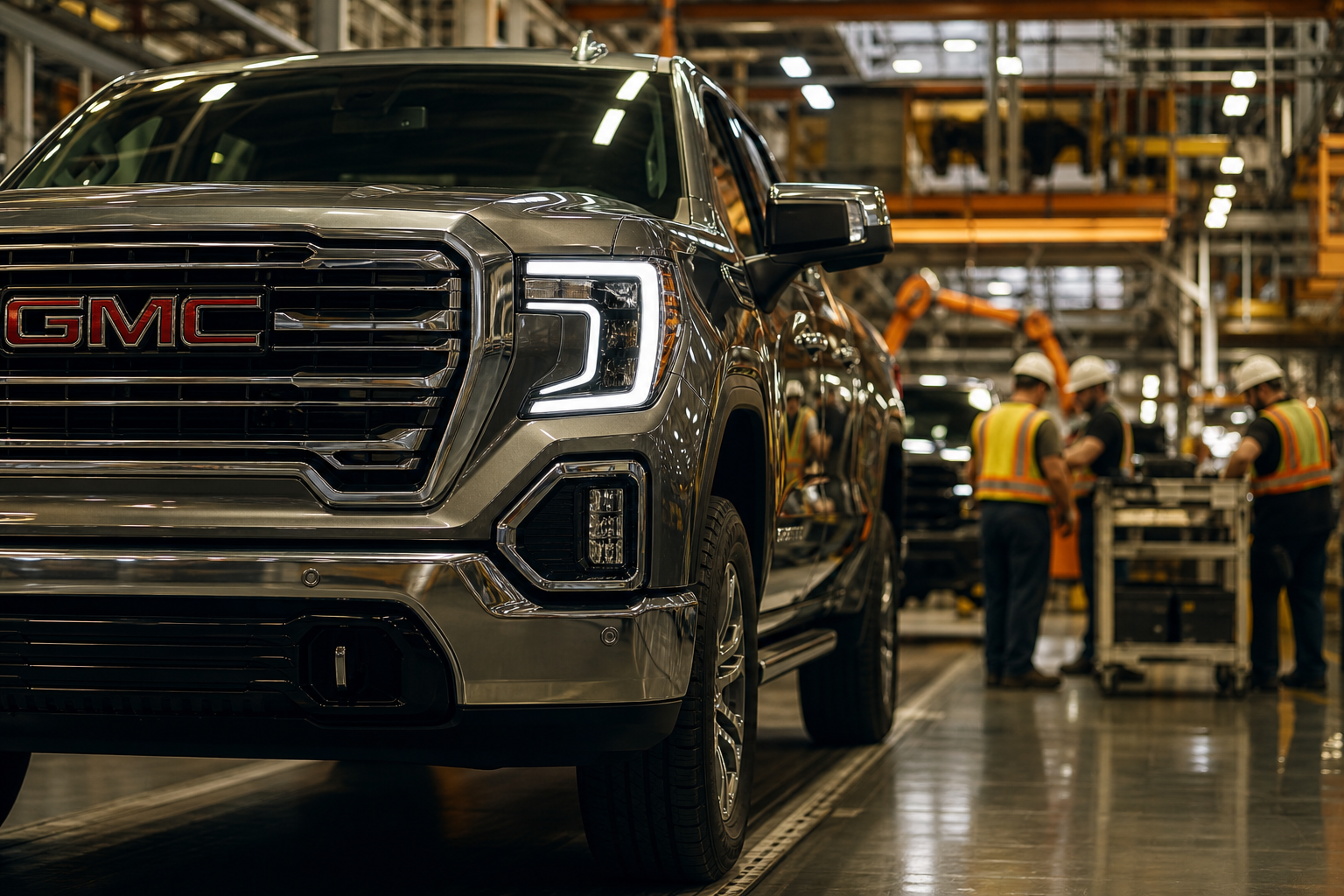
UAW Strike: A Cloud Over GM’s Truck Production
The automotive industry is no stranger to labor disputes, but the recent strike by nearly 1,000 workers at a Michigan supplier plant has thrown a wrench into the works for General Motors (GM). As the United Auto Workers (UAW) union escalates its actions following failed contract negotiations, the implications for GM's truck production are poised to be significant.
This strike comes at a particularly critical time, as GM's pickup truck segment has been a cornerstone of its profitability. With the demand for trucks remaining steadfast, the disruption of production lines could not only affect current output but also the company’s financial health in the upcoming quarter.
The Ripple Effect of Labor Strikes
Labor strikes, particularly in the automotive sector, can create a domino effect that ripples through supply chains. The striking workers at the supplier plant are integral to the production of components essential for GM's trucks. When these components are delayed or unavailable, the entire assembly line can come to a halt. Such disruptions could lead to delays in deliveries and ultimately impact sales.
Moreover, the stakes are high. GM's pickup trucks are not only popular among consumers but are also known for their high profit margins. An extended strike could jeopardize these margins, leading to a potential dip in quarterly earnings that investors will be closely watching.
What Lies Ahead?
The ongoing contract negotiations between the UAW and GM will be a critical factor in determining how long the strike lasts and how deeply it impacts production. If the union and the automaker can reach a resolution swiftly, the fallout may be minimal. However, if negotiations drag on, we could see a considerable effect on GM’s ability to meet demand for its trucks.
Furthermore, this situation underscores a larger trend within the automotive industry, where labor relations are increasingly contentious. As automakers navigate the complexities of recovering from pandemic-related disruptions while also addressing worker demands for better pay and conditions, the potential for more strikes looms large.
In this volatile environment, every production delay could translate to lost revenue and market share for GM as competitors vie for the same customers. The auto industry is at a crossroads, and how GM responds to these labor challenges could set the tone for its future.
As the UAW strike unfolds, all eyes will be on GM's responses and the broader implications for the automotive sector. The intersection of labor relations and production capacity may well redefine the landscape for the automaker in the months to come.
For more details on this developing story, visit CNBC.