
United Airlines has its eyes on the future, yet the path is littered with both opportunity and obstacle. CEO Scott Kirby recently shared his thoughts on proposed airline megadeals that could reshape the aviation landscape and how artificial intelligence (AI) may revolutionize customer experience and operational efficiency. Meanwhile, United’s delayed rollout of lie-flat premium seats threatens to derail revenue generation in a crucial segment.
Kirby’s advocacy for airline consolidation reflects a belief that bigger could indeed be better. With the industry still grappling with the aftershocks of the pandemic, the prospect of megadeals offers a tantalizing glimpse at a more resilient market. However, as Kirby pointed out, the real question is whether these deals would genuinely enhance competition or merely create a more concentrated market. The implications for $UAL could be significant, depending on how these mergers shake out.
Megadeals and Market Positioning
The talk of megadeals inevitably leads to speculation about market positioning. Kirby believes that uniting forces could yield a more competitive environment, but it's essential to consider how such mergers would affect United's strategy. Would a larger airline mean a stronger $UAL, or would it simply dilute its unique value proposition? Set aside the prepared remarks for a moment; the numbers suggest that competition could either strengthen United’s customer base or squeeze it into a tighter corner.
AI's Potential at United
Kirby also discussed the role of AI in United's operations. The promise of AI extends beyond just operational efficiency; it could enhance the customer experience significantly. Imagine a future where flight disruptions are managed proactively, or where personalized service is the norm, thanks to advanced algorithms. The integration of AI may suggest a new era for $UAL, where technology and customer service intersect to create a more seamless travel experience.
However, the catch is that implementing such technology isn’t without its challenges. Training staff, ensuring data privacy, and maintaining customer trust are hurdles that United must navigate. Will Kirby's vision for AI lead to a genuine transformation, or is it merely aspirational? The jury is still out.
Delayed Premium Seats: A Revenue Dilemma
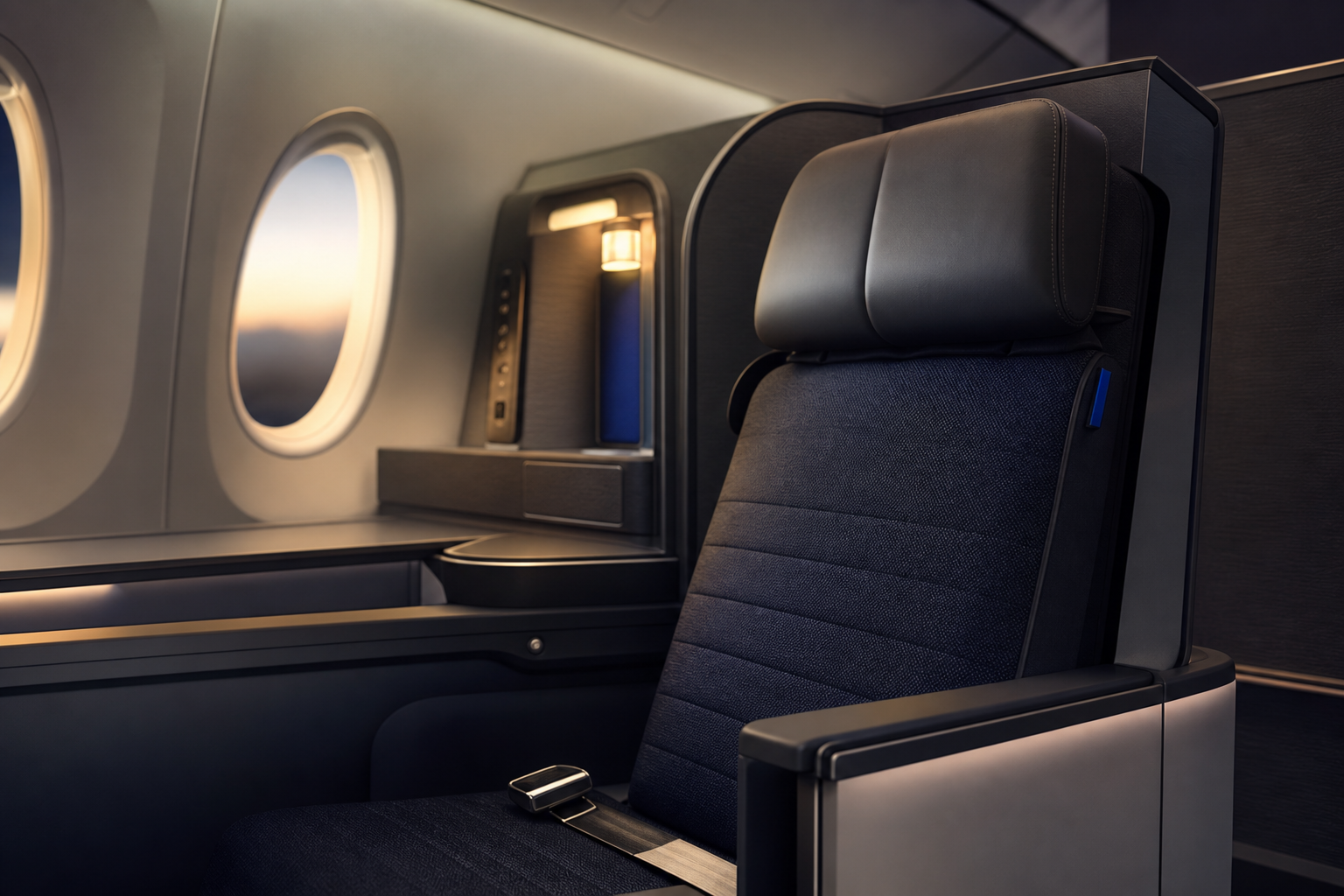
Compounding these strategic discussions is the recent news about United's delayed lie-flat premium seats for the Boeing 737 Max 10. Initially anticipated to enhance the airline's appeal in the premium segment, the rollout has been postponed due to certification issues, leaving a significant gap in potential revenue generation. The absence of these competitive seats could hinder United’s ability to attract high-yield business travelers, particularly as rivals ramp up their offerings.
This delay raises an important question about United's readiness to capture market share in the premium segment. With profitability in the airline industry often hinging on premium cabin revenue, the missed opportunity may have lasting implications for $UAL's bottom line.
Looking Forward
As United Airlines navigates these challenges and opportunities, Kirby's vision will be put to the test. The airline's future hinges not just on megadeals and AI but also on its ability to adapt to regulatory hurdles that delay product rollouts. The next quarter will offer insights into whether United can leverage technological advancements and strategic partnerships effectively, or if it will continue to grapple with operational setbacks.
Ultimately, the question remains: can United Airlines turn these challenges into a competitive advantage, or will they simply be obstacles in a turbulent industry?
Source