
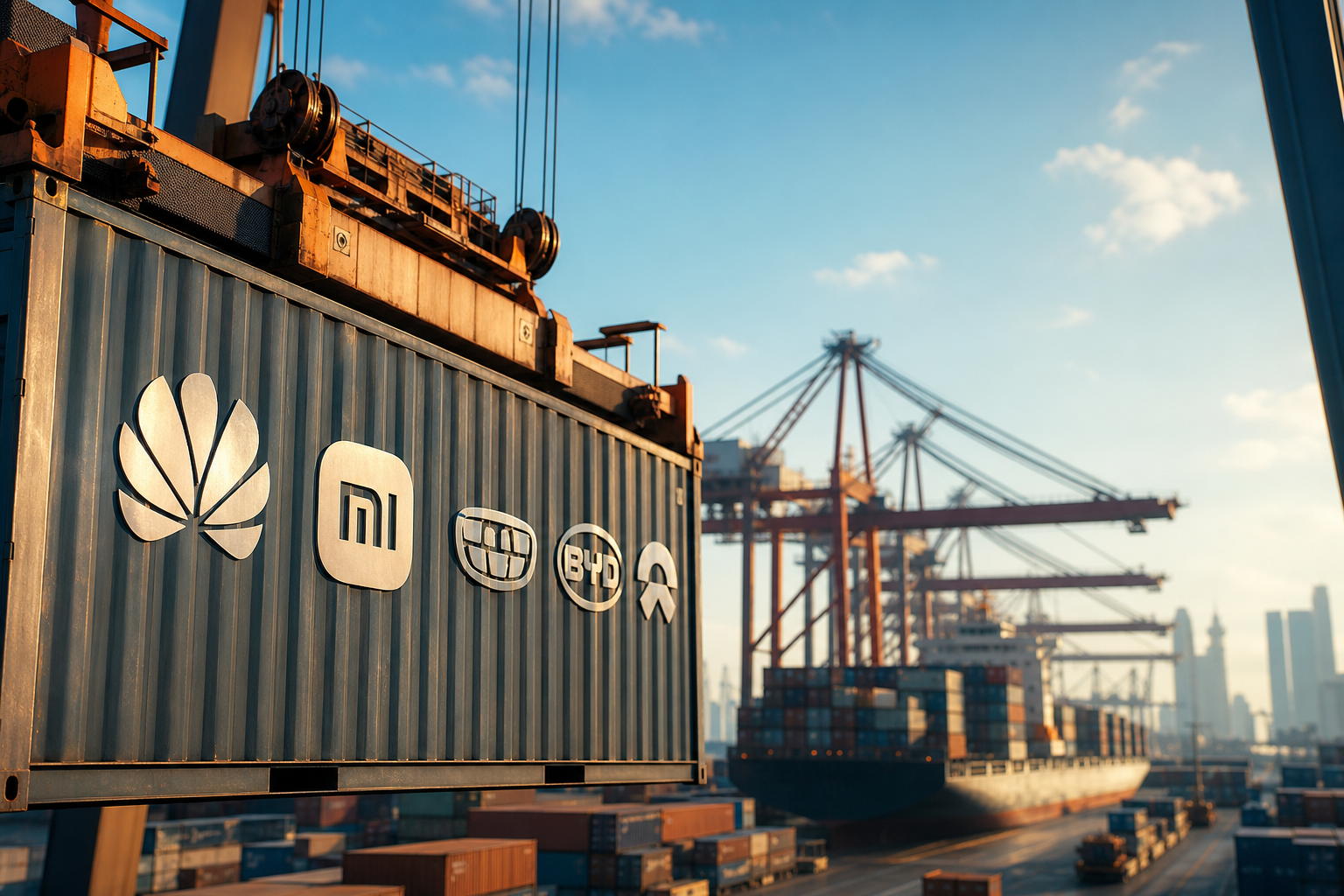
The S&P 500 and Nasdaq are feeling the heat from a proposed 7.5% tariff on Chinese goods, a move that could reshape the landscape of U.S.-China trade relations and rattle investors. This latest tariff threat comes amid a confluence of geopolitical tensions, including rising concerns over Iran, leaving markets to ponder the implications for sectors already navigating a minefield of macroeconomic challenges.
According to reports from Bloomberg and confirmed by Reuters, the proposed tariff is aimed at addressing overcapacity issues in China. This puts additional pressure on an already strained relationship between the two economic superpowers. As the details of the tariff circulate, both the S&P 500 and Nasdaq have shown signs of slippage, reflecting broader investor anxiety.
Of course, the catch is that while tariffs might be a straightforward political maneuver, their implications are anything but simple. A 7.5% tariff may seem like a minor adjustment in isolation, but for investors, especially in sectors like technology and consumer goods, it could signify a major shift in cost structures and profit margins.
The technology sector, already a bellwether for market performance, could face significant repercussions. Companies reliant on Chinese manufacturing or components could see their costs surge, leading to tighter margins. This is particularly concerning for tech giants listed on the Nasdaq, where profit expectations are often a delicate balancing act between growth and cost management. Investors might find themselves scrutinizing earnings calls with a new lens, searching for any hint of how these tariffs could affect future guidance.
Meanwhile, the consumer goods sector could experience similar turbulence. Companies that import goods from China may have to either absorb the costs or pass them on to consumers, which could dampen spending amidst already cautious consumer sentiment. As inflation continues to be a topic of conversation, the additional strain from tariffs could further complicate the equation for both corporate earnings and consumer behavior.
Set against this backdrop, the S&P 500 and Nasdaq’s recent performance is telling. Both indices have been navigating a choppy trading environment, with slippage attributed not only to the tariff news but also to broader macro headwinds. Investors are clearly on edge, weighing the potential fallout from the tariffs against the backdrop of existing geopolitical uncertainties.
As we look ahead, the actual question for investors will be whether these tariffs are the straw that breaks the camel's back or merely a bump in the road for companies that have weathered past trade disputes. With the earnings season ahead, all eyes will be on how companies articulate their strategies in light of these new tariff threats.
Ultimately, the market's reaction to this tariff news may reveal more about investor sentiment than the actual economic impact. Will the fear of a trade war exacerbate concerns already present in the market, or will companies find ways to adapt and thrive despite these challenges?
Bull/Bear Verdict
Bull Case: The proposed tariff might lead to a short-term sell-off, but companies with strong supply chains and adaptability could emerge stronger, maintaining investor confidence.
Bear Case: Increased costs from tariffs may squeeze margins for tech and consumer goods companies, leading to disappointing earnings and further market slippage.