
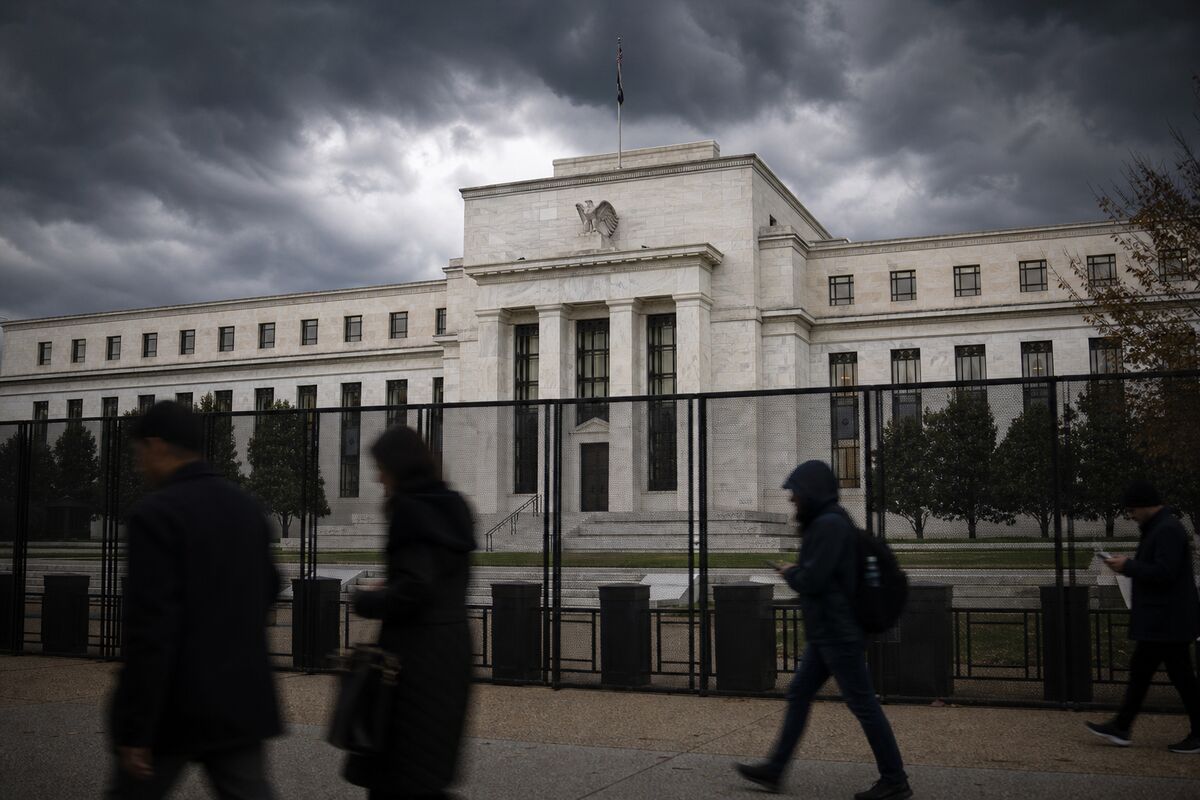
US stock futures were pointing higher as oil prices pulled back, giving investors a brief pressure valve before the Federal Reserve takes center stage. The setup leaves traders watching two clocks at once: the immediate reaction to energy markets and the larger verdict from the Fed on interest-rate policy.
That combination makes the market open less a victory lap than a holding pattern. The S&P 500, Dow Jones, and Nasdaq are in focus, but the next meaningful move may depend on whether easing oil prices calm inflation nerves—or whether the Fed decision and Big Tech earnings stir them right back up.
According to a Reuters report, US stock futures rose as oil prices retreated ahead of the Fed’s policy decision. Ongoing Middle East diplomacy efforts have been pressuring oil markets, adding a geopolitical thread to what might otherwise look like a straightforward macroeconomic session.
Oil is the market’s inflation messenger
Lower oil prices can matter well beyond the energy complex. If sustained, they may ease expectations for fuel and transportation costs, potentially taking some heat out of inflation concerns. That could influence how investors assess bond yields and the Fed’s policy path, while also improving the tone for companies and consumers exposed to energy costs.
But the market has not been handed a confirmed all-clear signal. Diplomacy can shift, oil can reverse, and lower crude prices do not automatically dictate the direction of Treasury yields or equities. For traders, the important question is whether the oil retreat persists long enough to alter expectations—or merely supplies a temporary gust of relief.
The Fed is the main catalyst
The Federal Reserve’s policy decision is the heavyweight event for both US stocks and bonds. Its language and policy signal could reshape rate expectations, changing the trading backdrop for the S&P 500, Dow Jones, and Nasdaq. A response in equities may be especially sensitive if bond markets react sharply, because shifts in yields can alter how investors value future corporate earnings.
Then comes the second act: Big Tech earnings are expected to be a key catalyst this week. Those reports could test whether the market’s early optimism has support from corporate results and outlooks. The interaction matters. A calm oil market and a reassuring Fed tone could create one backdrop; a hotter inflation interpretation or disappointing earnings reaction could produce another.
A trader’s volatility checklist
- Watch whether the oil pullback holds as Middle East diplomacy develops.
- Track the market’s reaction to the Fed decision rather than assuming the headline policy action tells the whole story.
- Observe whether stocks and bonds move together or diverge after the announcement.
- Separate the initial Big Tech earnings reaction from the broader market’s follow-through.
- Expect volatility around overlapping catalysts, particularly when oil, rates, and earnings point in different directions.
The morning’s rising futures offer an opening signal, not a final forecast. With oil retreating, diplomacy pressuring energy markets, the Fed preparing to speak, and Big Tech earnings ahead, traders have a crowded catalyst board—and plenty of ways for sentiment to change quickly.
Bull/Bear Verdict
Bull Case: The rise in US stock futures and retreat in oil prices could support equity sentiment if lower energy costs ease inflation concerns and the Fed decision avoids unsettling stocks and bonds.
Bear Case: The oil pullback may prove temporary, while the Fed decision and Big Tech earnings could trigger volatility if their signals challenge the optimism reflected in rising futures.