
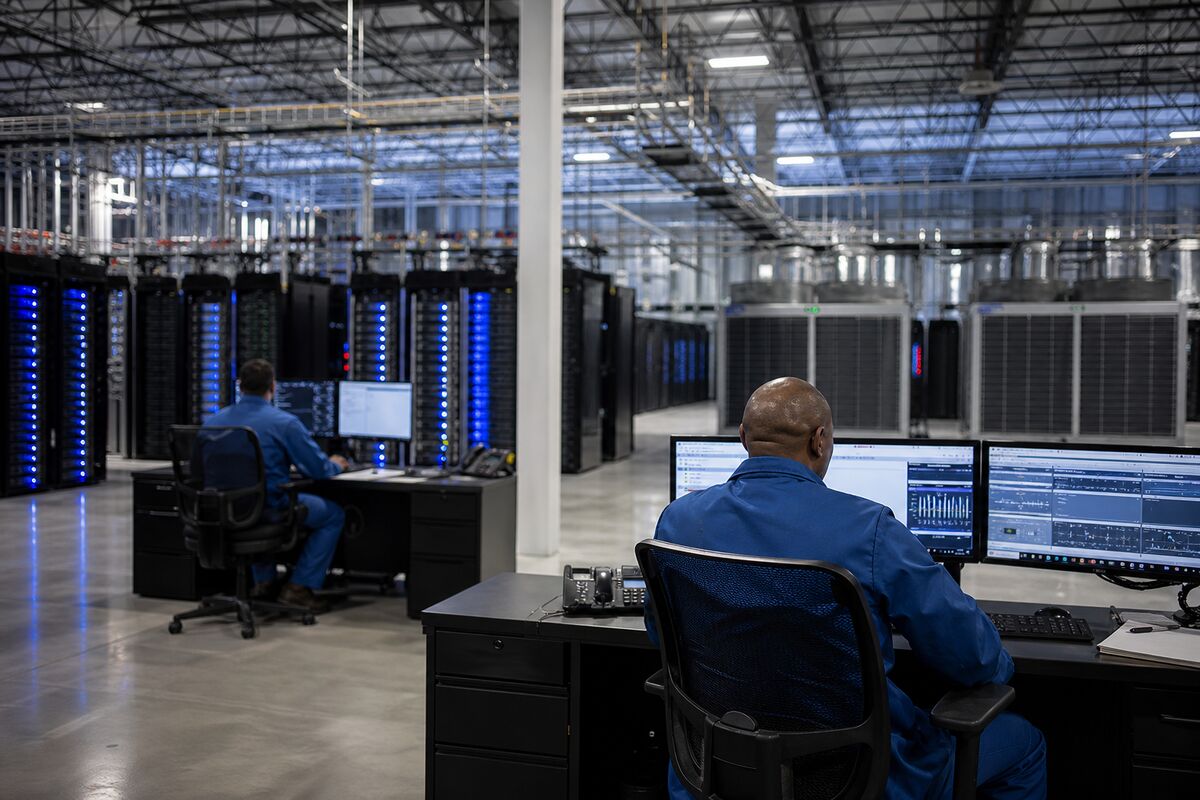
Oracle is asking investors to finance its artificial-intelligence ambitions twice: once through new shares and again through additional borrowing. The company filed plans Monday to raise $20 billion for its AI infrastructure expansion, putting the trade-off between dilution and leverage squarely in front of holders of $ORCL.
The filing is less a routine capital-markets maneuver than a useful admission about the economics of the AI buildout. Oracle wants substantial funding, but it does not want to place the entire burden on either existing shareholders or creditors. That may broaden its financial flexibility; it also means investors will have two separate questions to answer about the same expansion: how much ownership could be diluted, and how much balance-sheet capacity could be consumed?
Oracle’s filing, reported by CNBC, does not specify the division between new equity and debt, pricing, offering terms, or the eventual effect on shareholders. Those details will matter. For now, the headline figure is the clearest signal: the company views its AI infrastructure plans as large enough to require access to both sides of the capital markets.
Why use both stock and bonds?
Equity and debt solve different problems. Issuing shares can provide capital without creating a repayment obligation. That can be valuable when a company is committing funds to infrastructure whose returns may arrive over time rather than immediately. The cost, of course, is that new shares can reduce the ownership stake represented by each existing share.
Borrowing takes the opposite approach. Debt allows Oracle to raise funds without issuing as much stock, potentially limiting dilution. But additional borrowing brings interest and repayment obligations, and it can make the company more sensitive to the performance of the projects being financed. If AI infrastructure generates stronger returns, leverage can amplify the benefit to existing owners. If the buildout takes longer to produce adequate returns, the obligations remain.
Using both instruments therefore looks less like a vote for one financing philosophy than an attempt to distribute the burden. Oracle can avoid relying exclusively on equity, which would put dilution in sharper focus, while also avoiding a debt-only package that could increase financing pressure. The compromise is sensible in theory; in practice, it leaves investors monitoring two forms of uncertainty at once (which is finance’s way of saying the bill has arrived before the building is finished).
The scale matters before the terms arrive
A $20 billion raise is meaningful even without specific pricing or dilution figures. It indicates that AI infrastructure spending is not being treated as a modest technology refresh. The required capital may cover a substantial expansion, but the filing alone does not establish how quickly Oracle expects that spending to translate into revenue, cash flow, or returns.
That distinction is important. Corporate enthusiasm for AI can be genuine while the financial payoff remains difficult to measure. Infrastructure requires capital before utilization and monetization are fully visible. Oracle’s decision to tap both markets suggests management is prioritizing the ability to build now. Investors will have to decide whether that urgency reflects durable demand, competitive necessity, or both.
The questions for $ORCL holders
The next disclosures should clarify the structure of the raise, including how much comes from shares and how much from bonds. They should also help investors assess whether the financing mix is raising the floor under Oracle’s expansion plans or simply increasing the obligations attached to them.
The bull case is straightforward: combining equity and debt could give Oracle the capital required to expand its AI infrastructure while avoiding an excessive dependence on either source. The bear case is equally clear: shareholders may face dilution, while creditors gain additional claims on future cash flows, before the economic payoff from the buildout is established.
The actual test is not whether Oracle can raise $20 billion. This filing suggests it can access the markets. The harder question is whether the resulting infrastructure earns enough over time to justify both the ownership given up and the leverage taken on.
Bull/Bear Verdict
Bull Case: Raising $20 billion through both shares and debt could give Oracle the funding flexibility to pursue its AI infrastructure expansion while reducing reliance on either a stock-only or debt-only approach.
Bear Case: The same $20 billion plan could dilute existing shareholders and increase leverage, leaving investors to absorb higher financing commitments before the buildout’s returns are demonstrated.