
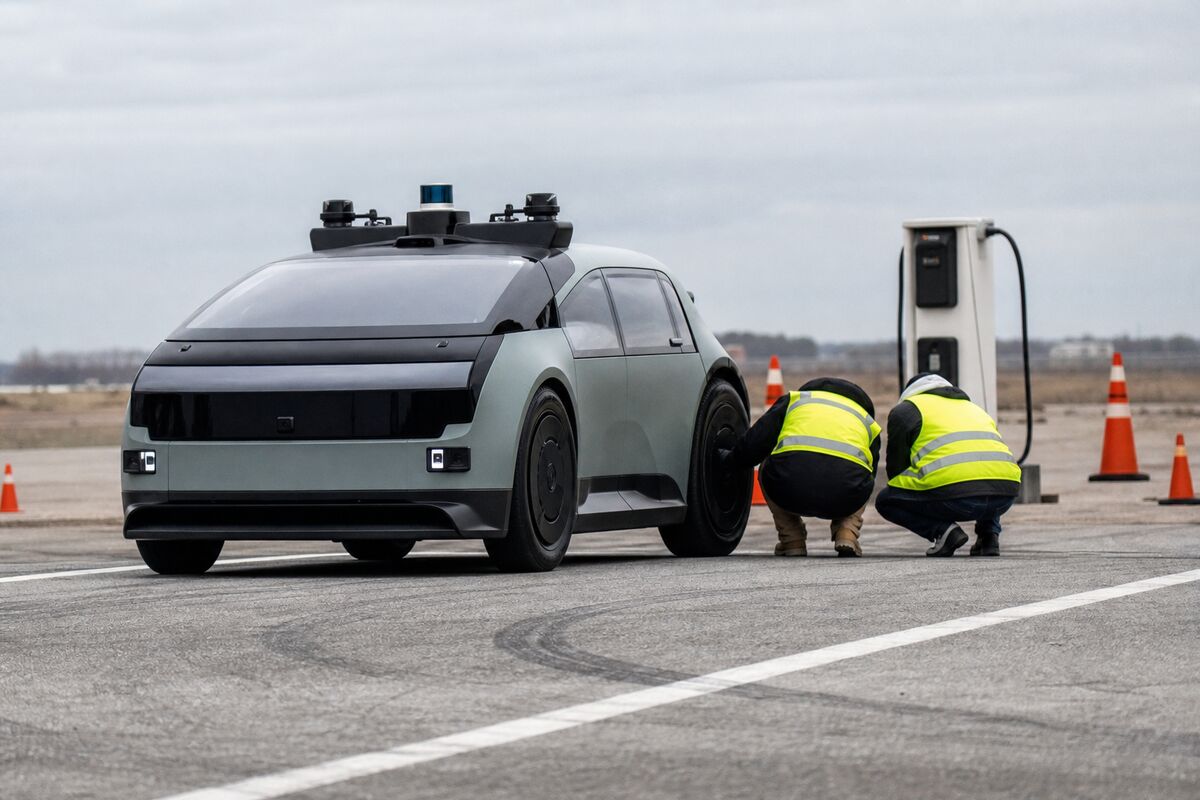
Tesla is preparing to scale back production of one of its most visible products just as it tries to turn its robotaxi ambitions into an industrial reality. Elon Musk said the company will wind down Cybertruck production in Texas next year and redirect that capacity toward Cybercab, making the factory decision a useful test of what Tesla now considers strategically important.
For TSLA investors, the message is less about the fate of a polarizing pickup than about the company’s willingness to retire a flagship product before it reaches mass-market scale. The Cybertruck found a niche following, but it did not achieve mass-market sales. (A loyal following is not the same thing as a volume business.) Tesla’s production shift therefore looks like a judgment on manufacturing priorities, not merely a scheduling adjustment.
The decision also places Cybertruck’s commercial performance in sharper relief. Tesla has issued several voluntary recalls for the vehicle, adding another layer of execution risk to a program that was already aimed at a narrower audience. None of that makes the Cybertruck irrelevant: it has served as a high-profile product and a statement about Tesla’s design ambitions. But factory capacity is finite, and the company now appears to be assigning greater value to the Cybercab program.
A factory choice with strategic consequences
Set aside the prepared remarks for a moment: reallocating Texas production capacity is a concrete expression of priorities. Tesla is cutting back on a product with demonstrated visibility in order to prepare for a vehicle tied to its robotaxi ambitions. That could indicate management believes the next important phase of the business will be defined less by adding another conventional vehicle and more by building the hardware base for autonomous transportation.
The shift could also simplify the story Tesla is presenting to the market. The Cybertruck’s niche positioning and recalls have made it a complicated volume proposition. Cybercab, by contrast, carries the promise of a broader technology platform—though promise is not production, and production is not adoption. The factory move may be strategically significant without proving that the new program will deliver the sales or operating results investors may expect.
Which raises the actual question: can Tesla translate manufacturing reallocation into a credible Cybercab ramp? The answer will depend on more than management’s ability to free up space in Texas. Investors will ultimately need evidence that Cybercab production can advance from priority status to repeatable execution, while Tesla manages the commercial consequences of winding down Cybertruck output.
The company’s choice could become an important catalyst for how the market evaluates TSLA, but the direction of that judgment is not predetermined. Bulls may see disciplined capacity allocation toward a potentially transformative program. Bears may see a retreat from a product that failed to reach mass-market demand, followed by a larger bet on a less proven one. The next meaningful test is whether Cybercab can justify the factory capacity Tesla is taking away from Cybertruck.
Bull/Bear Verdict
Bull Case: Tesla’s decision to wind down Cybertruck production in Texas next year could indicate disciplined prioritization of Cybercab and give TSLA a clearer manufacturing focus around its robotaxi ambitions.
Bear Case: The move could also underscore that the Cybertruck failed to achieve mass-market sales, while shifting capacity toward Cybercab places greater execution pressure on a program whose commercial outcome remains unproven.